

Vivo Kills the Ultra Name: Why the X500 Pro Max is Samsung's Worst Nightmare
Vivo has officially abandoned its traditional Ultra branding for the 2026 flagship lineup. The newly revealed Vivo X500 Pro Max aims directly at the Galaxy S26 Ultra with massive hardware upgrades.
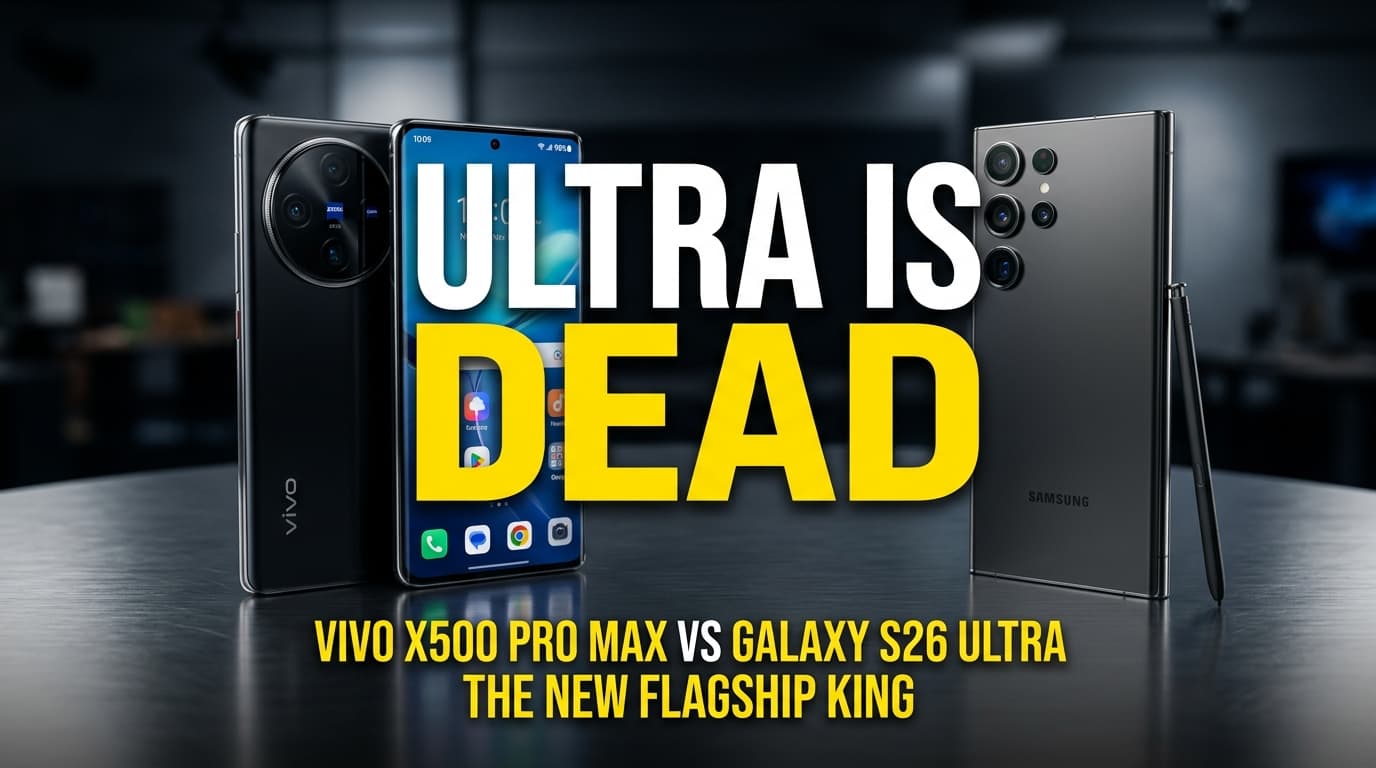
Vivo has officially killed the Ultra moniker for its 2026 flagship lineup, introducing the massive Vivo X500 Pro Max to take on the top tier of the smartphone market. Enthusiasts might be scratching their heads at the seemingly Apple-inspired naming convention, but the sheer volume of hardware packed inside this device easily justifies the new branding. This towering slab of titanium and glass aims directly at the Galaxy S26 Ultra, and early industry comparisons show a fierce battle for Android supremacy.
Key Takeaways
- Vivo replaced its traditional top-tier naming scheme with the new Vivo X500 Pro Max designation.
- The 2026 lineup consists of three distinct models: the standard X500, the X500 Pro, and the massive Pro Max tier.
- Early comparisons highlight five major hardware gaps between Vivo's latest device and the Galaxy S26 Ultra.
- Camera hardware continues to rely heavily on the Zeiss partnership, featuring massive one-inch sensors and dual periscope lenses.
- Battery technology and wired charging speeds remain a significant advantage over major competitors.
The End of the Ultra Era for Vivo
Dropping the Ultra tag in favor of Pro Max is a calculated marketing pivot for the Chinese technology giant. For years, Android manufacturers relied on the word Ultra to signify their absolute peak devices. Vivo is signaling a direct challenge to broader industry naming structures while establishing a clearer hierarchy within its own mobile roster. Recent reports from Gizmochina clearly outline the three distinct models available this year, ensuring buyers understand the exact differences before making a premium purchase decision.
The base X500 serves as the entry point for the series, offering flagship-level performance with minor compromises in camera hardware and display curvature. Stepping up to the X500 Pro introduces improved zoom capabilities and larger battery capacities for power users. The Vivo X500 Pro Max, however, exists in an entirely different category of mobile engineering.
Here is how the 2026 hierarchy falls into place:
- Standard X500: Features a flat OLED display, a triple camera setup, and a standard 5000mAh battery.
- X500 Pro: Upgrades to a micro-curved edge display, a quad camera array with a basic periscope lens, and a 5500mAh battery.
- Vivo X500 Pro Max: Includes a quad camera system with dual periscope sensors, a massive 6000mAh silicon-carbon battery, and a highly durable titanium frame.
This clear stratification helps consumers pick the exact device for their needs without getting lost in confusing alphanumeric soup. The top tier is no longer just an incremental upgrade; it is a complete overhaul of what a premium smartphone can accomplish.
Vivo X500 Pro Max vs Galaxy S26 Ultra: Five Massive Gaps
A recent Memeburn report focuses heavily on the five big gaps between the Vivo X500 Pro Max and Samsung's Galaxy S26 Ultra. Samsung has dominated the premium Android space for a decade, but this aggressive hardware push threatens that longstanding hold. Both devices feature titanium frames and expansive displays, yet their internal engineering philosophies differ wildly.
Samsung iterates slowly on a proven formula, while Vivo throws every conceivable piece of experimental technology into its chassis. These differing approaches create distinct advantages for different types of users.
The five major gaps identified in early testing include the following areas:
- Charging Speeds: Vivo pushes 120W wired charging, capable of filling the device in under 30 minutes, leaving Samsung's 45W standard far behind in the dust.
- Battery Density: The advanced silicon-carbon technology inside the Vivo allows for a 6000mAh cell in a chassis identical in thickness to the S26 Ultra.
- Low Light Image Processing: Vivo relies on a custom V4 imaging chip, processing night shots significantly faster than Samsung's purely software-driven approach.
- Display Brightness: The new OLED panels from BOE hit 6000 nits of peak local brightness, easily outshining the S26 Ultra under direct afternoon sunlight.
- Stylus Integration: Samsung retains a massive advantage for productivity-focused users by keeping the built-in S Pen, a hardware feature Vivo entirely ignores.
Consumers choosing between these two titans must weigh ultra-fast charging and superior night photography against the proven reliability and productivity tools offered by Samsung.
Examining the Processing Power and Display Hardware
To compete in the 2026 market, raw performance must be absolutely flawless. The Vivo X500 Pro Max utilizes the latest generation of flagship silicon, ensuring users experience zero lag during heavy multitasking, video rendering, or graphic-intensive mobile gaming. Thermal management plays a massive role in maintaining these peak processing speeds over long periods. Vivo installed an expansive vapor chamber cooling system that covers nearly half the internal surface area of the device.
The display technology is equally impressive. The 6.8-inch AMOLED screen features LTPO 4.0 technology, allowing the refresh rate to scale dynamically from a buttery smooth 120Hz down to a battery-saving 1Hz when viewing static images. High-frequency PWM dimming reduces eye strain for users who stare at their screens in dark environments.
Expected hardware configurations for the top-tier model include these specifications:
- 16GB or 24GB of LPDDR5X RAM dedicated to localized artificial intelligence processing.
- UFS 4.1 internal storage options ranging from 512GB up to a massive 2TB tier.
- A custom V4 signal processor dedicated entirely to handling complex camera algorithms and video compression.
- An ultrasonic under-display fingerprint sensor featuring a massive recognition area for easier unlocking.
Software and Artificial Intelligence Integration
A powerful smartphone requires equally capable software to manage the underlying hardware. Vivo ships this device with its latest iteration of Funtouch OS for global markets and OriginOS for domestic users. Both variants run on top of Android 16, bringing a host of system-level optimizations designed to maximize battery efficiency and improve overall fluidity. The software experience has historically been a point of contention for Western users, but the 2026 update brings a much cleaner interface. Bloatware has been significantly reduced, and the primary settings menu is now highly intuitive.
Artificial intelligence takes center stage in this operating system. The massive amount of onboard RAM allows the phone to run large language models entirely on the device without pinging a remote cloud server. This localized processing ensures absolute privacy for the user while speeding up request times.
Key software enhancements include the following tools:
- Real-time translation during voice calls with a latency of less than half a second.
- Generative photo editing tools that can intelligently remove unwanted background objects or expand the borders of an image.
- Smart battery management that learns daily usage habits to restrict unnecessary background application activity.
- Advanced voice transcription for business meetings, capable of distinguishing between six different speakers in a crowded room.
The Camera System Defining the Pro Max Experience
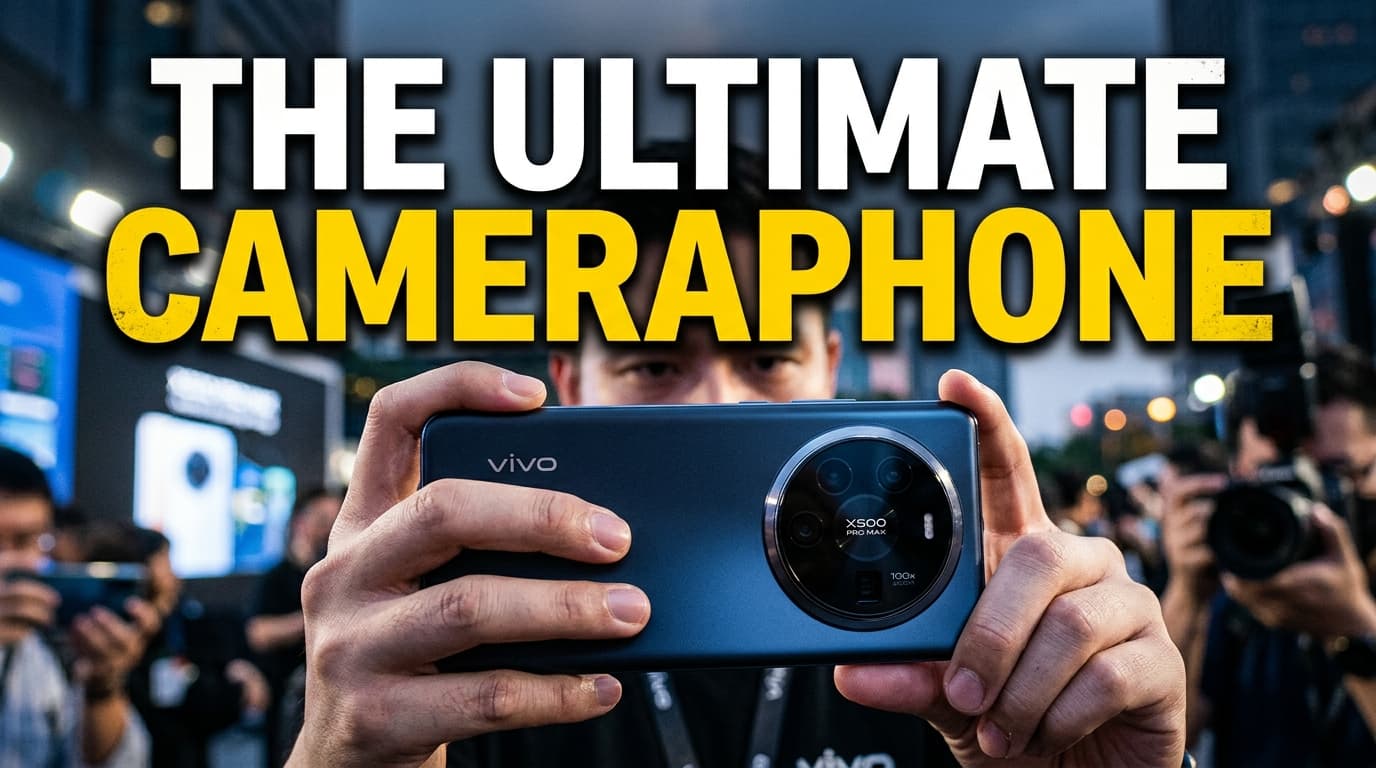
Vivo built its modern reputation on photographic excellence. The Vivo X500 Pro Max continues this tradition by integrating a camera module that looks like a professional DSLR lens attached to the back of a smartphone. The longstanding Zeiss partnership remains intact, providing custom lens coatings to reduce glare and flaring in high-contrast lighting environments.
The sheer size of the camera island is completely justified by the optical components housed within. Instead of relying purely on digital cropping, Vivo provides dedicated focal lengths for almost any shooting scenario. These sensors work alongside the V4 chip to process raw image data before final compression. This results in photographs with incredible dynamic range, accurate color science, and minimal digital noise.
The rear module houses four distinct photographic tools:
- A 50MP one-inch primary sensor featuring variable aperture capabilities for natural background blur.
- A 50MP ultra-wide lens featuring extreme macro focus modes for capturing tiny details.
- A 50MP 3x optical telephoto portrait lens tuned specifically to capture accurate human skin tones.
- A staggering 200MP periscope zoom lens capable of lossless 10x magnification and 100x digital reach.
Video creators also benefit from 8K recording at 60 frames per second across all rear lenses. This represents a massive leap forward, as previous generations restricted high-resolution video capture strictly to the primary sensor.
Design Language and Ergonomics
Holding a premium device should feel like holding a luxury item. Vivo completely overhauled the chassis design for the new generation. The transition to a Grade 5 titanium frame provides incredible structural rigidity while shaving a few crucial grams off the total weight. This weight reduction is vital given the massive camera island dominating the top third of the rear panel.
The back glass utilizes a new frosted etching technique that repels fingerprint smudges completely. Unlike glossy finishes that require constant wiping with a microfiber cloth, this matte texture provides a secure grip in the hand. The camera module itself is a massive circular housing inspired by classic mechanical timepieces. A knurled metal ring surrounds the lenses, adding a highly tactile element to the visual design.
Color options for the 2026 lineup cater to professional tastes:
- Obsidian Black: A classic, deep matte finish that absorbs light beautifully.
- Titanium Gray: Showing off the raw metal aesthetic with a matching frosted glass back.
- Alpine White: A pearlescent finish that shifts slightly under direct sunlight.
- Ocean Blue: A premium vegan leather option providing enhanced grip and a unique texture.
Summary
Abandoning the Ultra moniker for the Vivo X500 Pro Max marks a significant shift in marketing strategy for 2026. The device packs an overwhelming amount of high-end hardware, ranging from high-density silicon-carbon batteries to dual periscope zoom cameras. By directly targeting the Galaxy S26 Ultra with superior charging speeds and specialized imaging chips, Vivo makes a highly compelling case for taking the Android crown.
FAQs
Why did Vivo change the name to Pro Max?
Vivo updated its naming convention to align more closely with broader industry trends and clearly separate its absolute top-tier device from the standard Pro model. The new name signals maximum screen size and maximum hardware specifications to the average consumer.
Is the Vivo X500 Pro Max better than the Galaxy S26 Ultra?
The answer depends entirely on your specific priorities. Vivo wins clearly on battery capacity, wired charging speed, and low-light photography. Samsung retains the crown for stylus support, productivity software, and long-term operating system update reliability.
What are the main differences between the X500 Pro and Pro Max?
The Pro Max features a larger 6000mAh battery, a highly durable titanium frame, and an upgraded 200MP periscope zoom lens. The standard Pro utilizes a traditional aluminum frame, a smaller primary sensor, and a slightly smaller battery capacity.
When will this smartphone be available globally?
While the device officially launched in Asian markets in late September 2026, global availability usually follows a few months later. Buyers in Europe and India should expect retail units to arrive just before the holiday shopping season.
Does the new flagship support expandable storage?
No modern flagship currently supports MicroSD expansion, and this device is no exception. Users must rely on the massive internal storage options, which top out at 2TB, or utilize cloud backup solutions for their large video files.
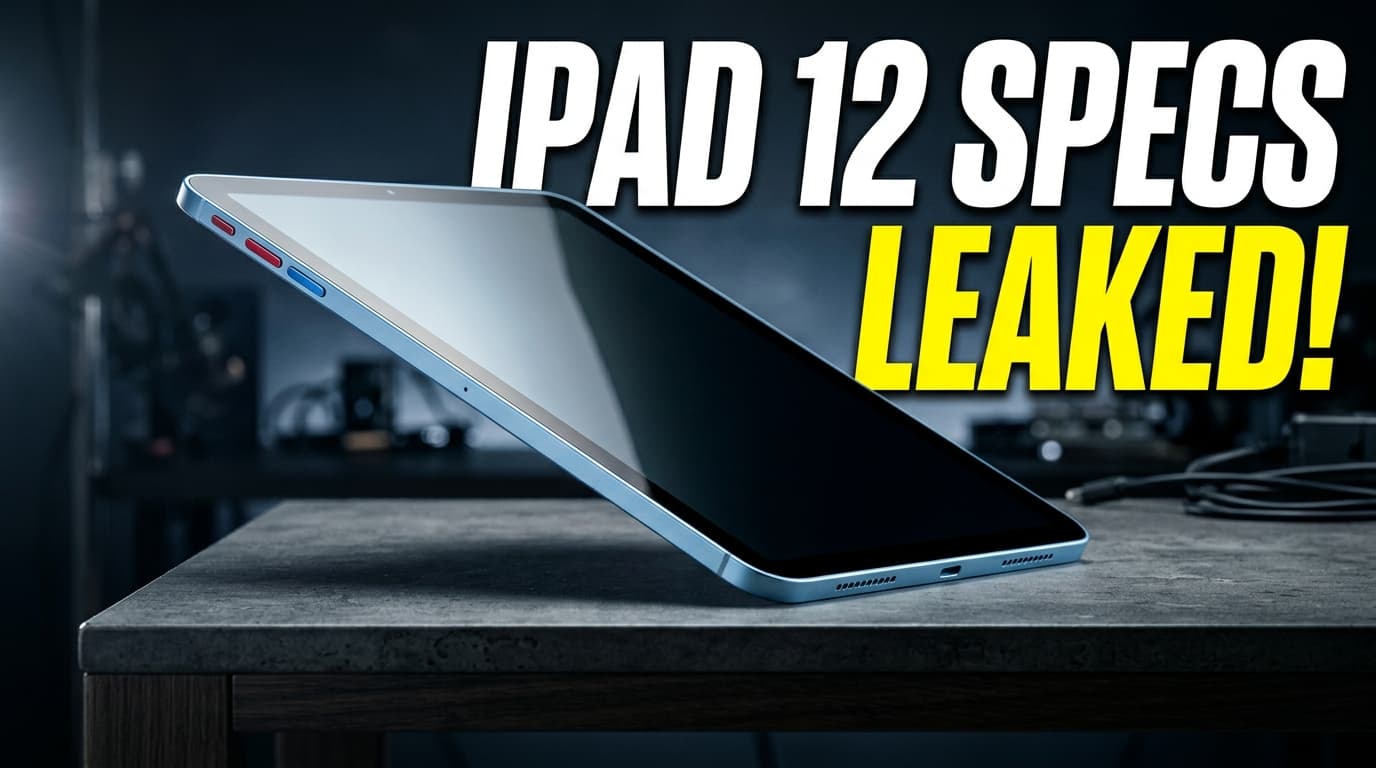
Massive iPad 12 Leak: Apple Code Confirms A19 Chip and 8GB RAM for Next Budget Tablet!
More in Mobiles
 Mobiles
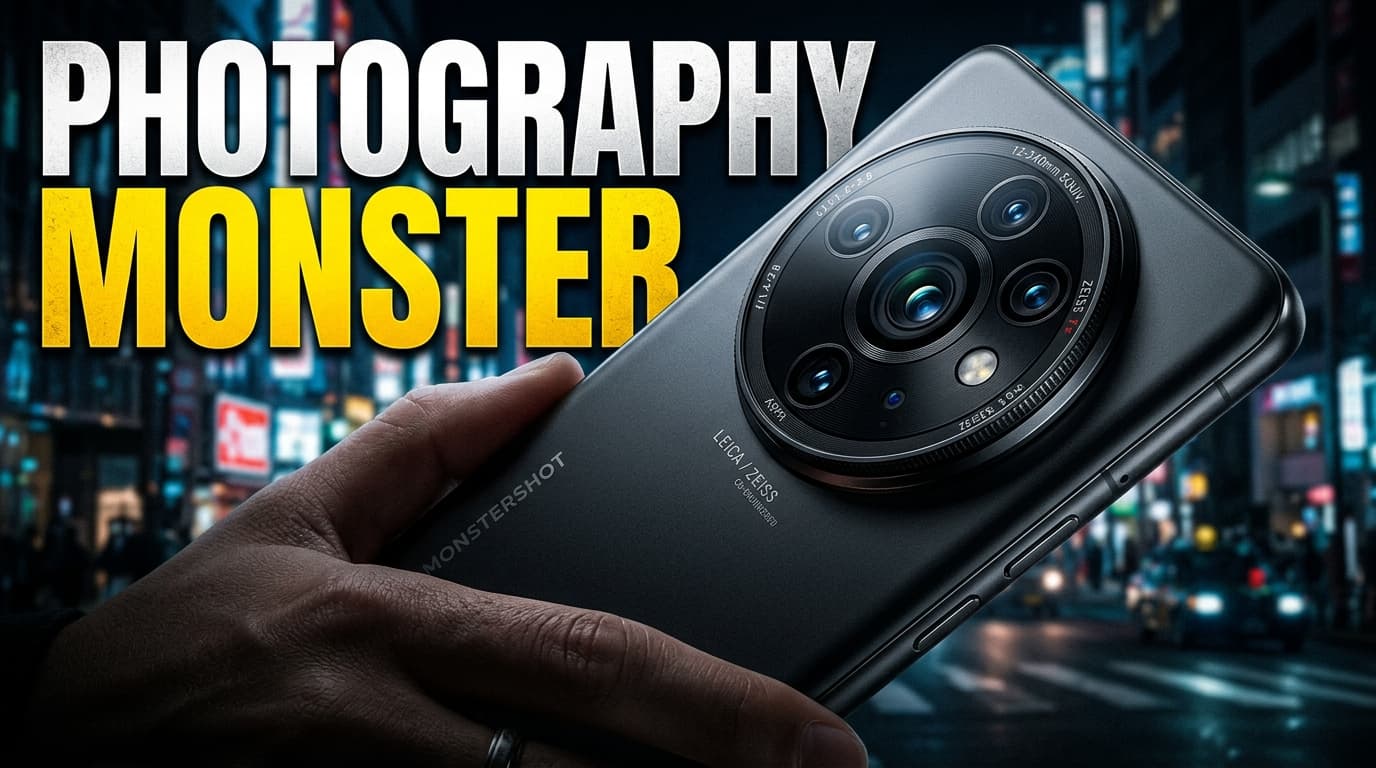
Leaked Samples Prove the vivo X500 Pro Max is a Photography Monster
 Mobiles
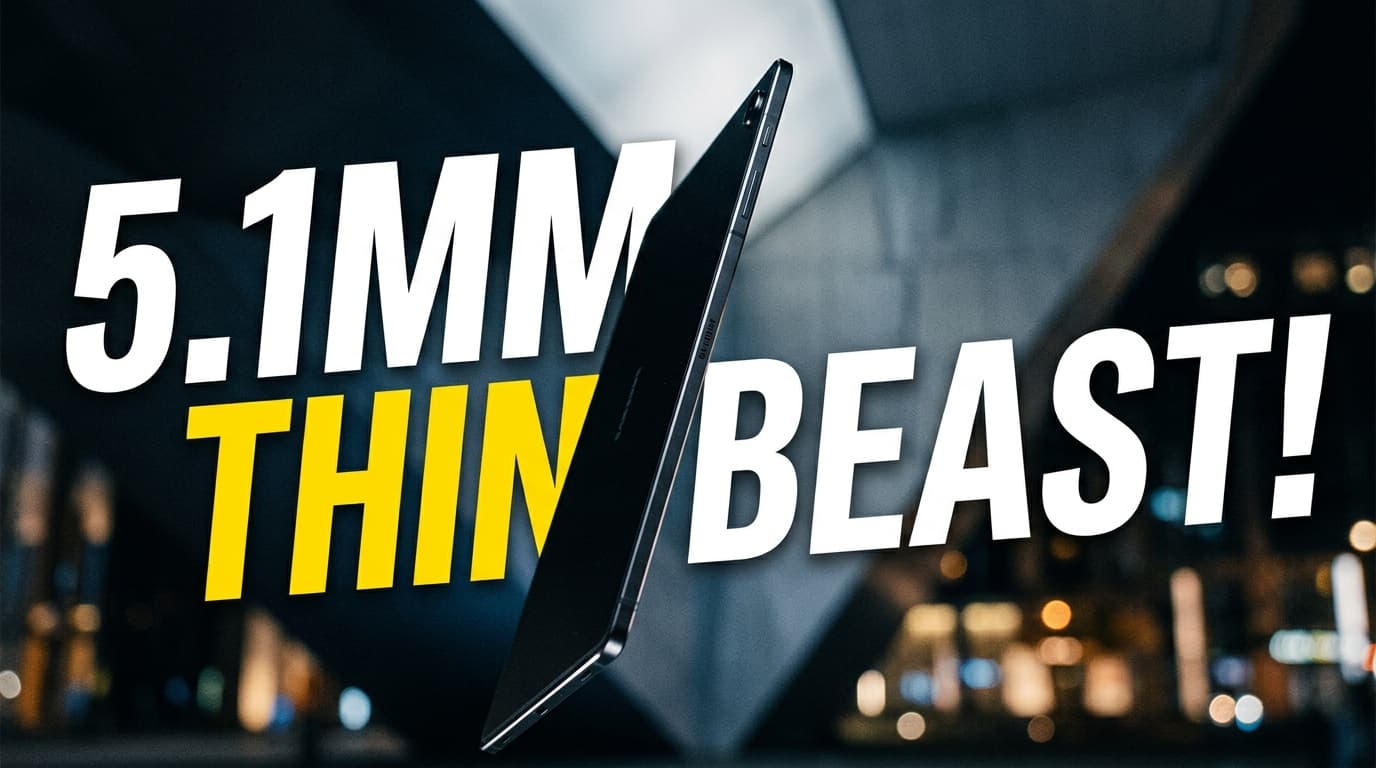
Leaked Renders Reveal the Galaxy Tab S12 Ultra Is a 5.1mm Thin Beast with a 50MP Camera
 Mobiles
Vivo X500 Pro Max and Y600i: 7 Reasons They Just Broke the 2026 Smartphone Market
 Mobiles