

Leaked Samples Prove the vivo X500 Pro Max is a Photography Monster
Recent image leaks and hardware specifications confirm vivo's upcoming flagship is packed with massive sensors and advanced telephoto capabilities.
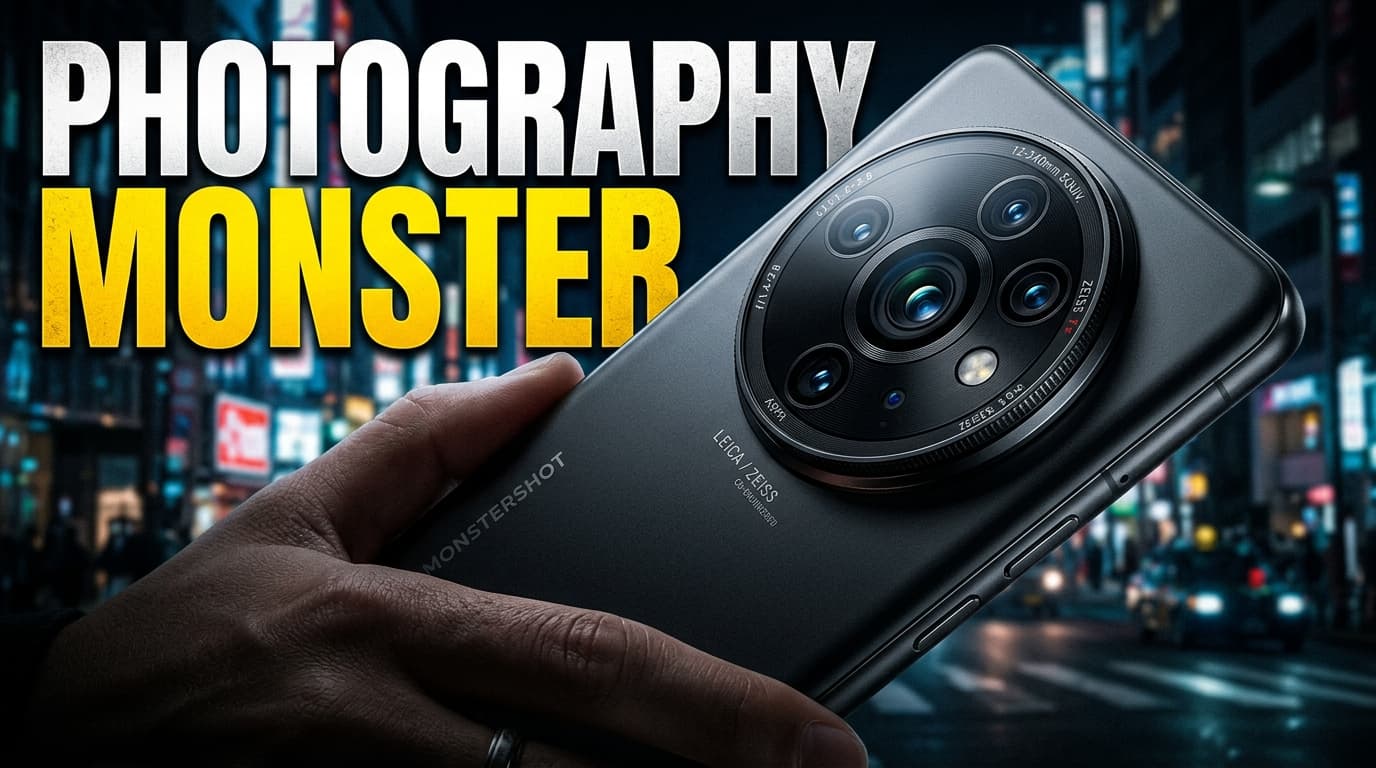
Mobile photography enthusiasts have been waiting to see what happens next in the ultra-premium smartphone tier, and recent industry reports provide exactly what they wanted. New image samples published by GSMArena provide concrete proof that the vivo X500 Pro Max is a cameraphone to be reckoned with. Anyone looking to upgrade their mobile photography setup will want to pay close attention to the hardware and computational upgrades packed into this massive new device.
Key Takeaways
- The primary camera features a massive 1-inch physical sensor designed to capture maximum light in dark environments.
- A custom Zeiss T* coating on the lens array dramatically reduces ghosting and lens flare.
- The new 200-megapixel periscope telephoto lens delivers lossless optical-quality zoom up to 10x magnification.
- Custom image signal processing silicon offloads heavy computational tasks to reduce noise in extreme low-light video.
- Early sample comparisons show the device outperforming current flagship rivals in dynamic range retention and natural color science.
A Closer Look at the Sensor Hardware
The heart of any capable camera lies in its physical sensor dimensions, and this upcoming flagship refuses to compromise on space. Leaked specifications confirm a primary camera built around a massive 1-inch Sony LYTIA sensor. This physical footprint allows individual pixels to capture significantly more light than standard smartphone cameras. When shooting in dimly lit environments, larger pixels translate directly to shorter shutter speeds. Shorter shutter speeds prevent motion blur, ensuring crisp images even when your subject is moving quickly across the frame.
Beyond the raw silicon, the continued partnership with Zeiss remains a critical advantage for the optics. The lens arrays feature the latest iteration of the Zeiss T* coating. This proprietary anti-reflective layer minimizes ghosting when shooting directly into bright light sources. If you have ever tried to photograph a street lamp at night and ended up with strange green orbs floating in the sky, you understand why high-quality lens coatings matter for final image fidelity.
Here is the expected rear camera array breakdown based on the latest reports:
- Primary Lens: 50-megapixel 1-inch sensor, variable f/1.4 to f/4.0 aperture, multi-axis Optical Image Stabilization (OIS).
- Ultrawide Lens: 50-megapixel sensor, 14mm equivalent focal length, f/2.0 aperture, dual-pixel autofocus for macro capabilities.
- First Telephoto: 50-megapixel portrait lens, 50mm equivalent, f/1.6 aperture designed for natural background blur.
- Second Telephoto: 200-megapixel periscope lens, 135mm equivalent, f/2.6 aperture, advanced multi-directional OIS.
This four-lens array covers every focal length a photographer could realistically need during a shoot. The inclusion of a variable aperture on the main lens gives users physical control over depth of field, bridging the gap between pocketable mobile devices and dedicated mirrorless cameras.
Redefining Telephoto Zoom Capabilities
Zoom performance often separates decent smartphones from true premium photography tools. The manufacturer takes a brute-force approach to telephoto imaging by integrating a 200-megapixel periscope module. Traditional periscope lenses usually cap out around 50 megapixels, forcing the software algorithms to heavily crop and upscale images when pushing past the native optical zoom range. By starting with a 200-megapixel canvas, this new system can perform lossless sensor cropping at extreme distances.
This massive resolution means at 10x magnification, the camera still delivers a true optical-quality image rather than a digitally stretched guess. The results from recent leaked sample galleries show exceptional detail retention. Text on distant street signs remains perfectly legible, and foliage textures avoid the dreaded oil painting effect so common in digital zoom applications.
Low-light zoom has historically been a weak point for periscope lenses due to their narrower physical apertures. The f/2.6 aperture on this new 135mm equivalent lens is surprisingly wide for its focal class. When combined with the oversized sensor sitting behind the glass, the camera can capture highly usable telephoto shots long after sunset.
Consider the specific benefits of this upgraded telephoto setup:
- Macro photography capabilities are integrated directly into the periscope lens, allowing users to take extreme close-up shots from a comfortable distance without casting shadows on the subject.
- Multi-directional optical image stabilization actively compensates for hand shakes, which are magnified exponentially at high zoom levels.
- A dedicated computational algorithm specifically trained for long-range atmospheric distortion correction cleans up hazy horizons.
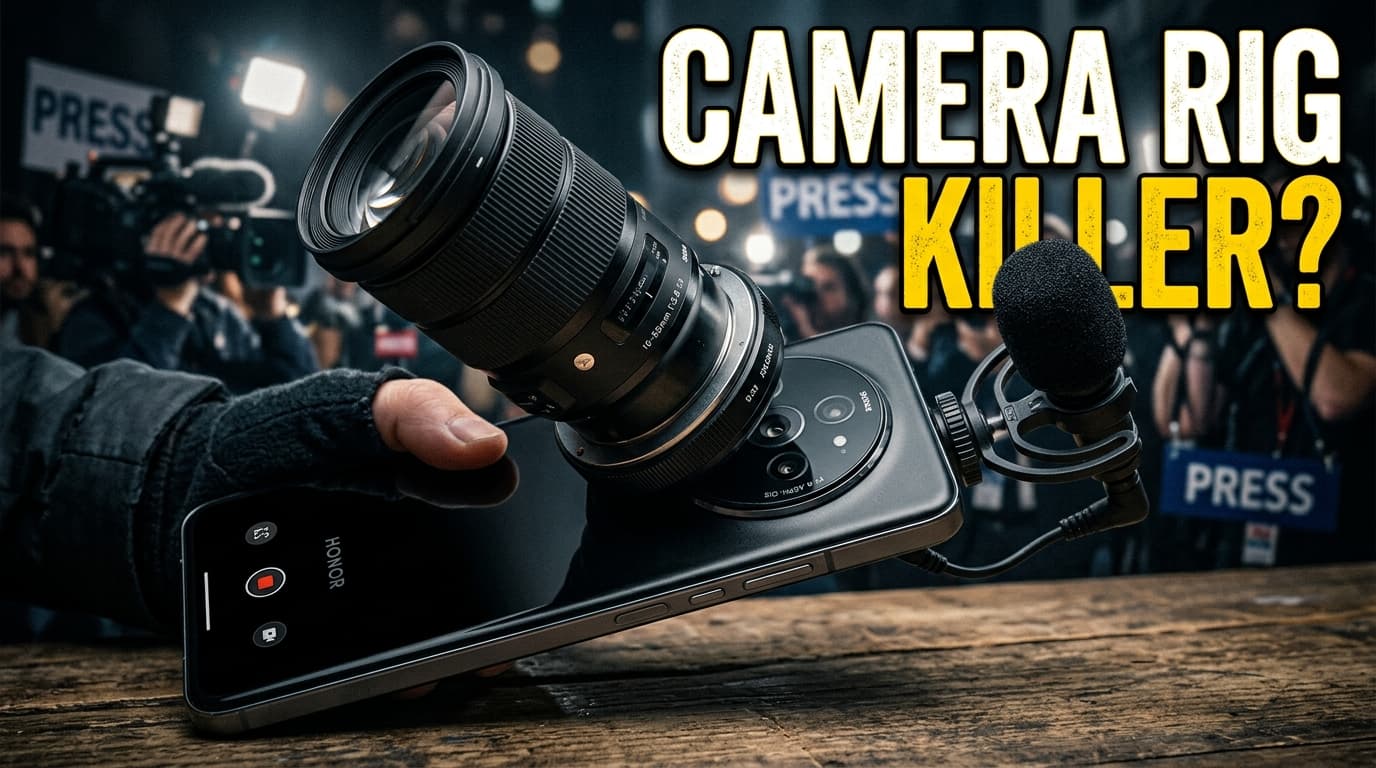
Rival brands are also pushing boundaries this season. Recent teasers for the Honor Magic9 Pro Max highlight a cinematic mic and a unique teleconverter system. However, the sheer megapixel density of this 200-megapixel periscope implementation offers a distinct advantage for users who prioritize still photography and heavy cropping.
Computational Photography and Custom Silicon
Hardware only tells half the story in modern mobile imaging. The image signal processor dictates how raw sensor data transforms into a final JPEG or HEIC file ready for social media. The vivo X500 Pro Max utilizes a proprietary V4 imaging chip designed specifically to handle heavy computational tasks without taxing the main Snapdragon processor.
This dedicated silicon shines brightest during high-resolution video recording. Shooting 4K video in low light requires the phone to process millions of pixels sixty times a second. The V4 chip applies real-time noise reduction algorithms to each individual frame before they are stitched together. Leaked promotional materials showcase night video footage with incredibly clean shadow details and almost zero digital artifacting.
For still photography, the computational engine powers a highly refined suite of Zeiss portrait styles. These software filters do more than simply blur the background. They meticulously recreate the specific bokeh characteristics of legendary Zeiss lenses like the Biotar, Planar, and Sonnar. The edge detection algorithms correctly identify stray hairs and transparent objects like drinking glasses, ensuring the artificial background blur looks entirely natural to the human eye.
High Dynamic Range processing also sees a massive upgrade this generation. Earlier smartphone models sometimes struggled with over-sharpening or unnatural color saturation when balancing bright skies and dark shadows. The new processing pipeline prioritizes color accuracy and gentle highlight roll-off. Skies retain their natural gradients, and human skin tones remain accurate even under mixed indoor artificial lighting.
How It Compares to the Broader Market
Contextualizing these hardware upgrades requires looking at the broader premium smartphone market. As of late September 2026, the primary competitors are the Samsung Galaxy S26 Ultra and the Apple iPhone 18 Pro Max. Both competitors offer phenomenal camera systems, but they optimize for very different user experiences.
Apple continues to prioritize video stability and a dead-simple point-and-shoot experience tailored for the average consumer. Samsung leans heavily into vivid colors and aggressive AI sharpening to make photos pop instantly on mobile displays. The vivo X500 Pro Max carves out a specific niche for users who want granular control, natural color science, and professional-grade optical characteristics.
The variable aperture on the main lens offers physical flexibility that Apple simply does not provide on their current lineup. Meanwhile, the 200-megapixel periscope lens outpaces Samsung's current telephoto hardware in pure resolution, allowing for sharper extreme crops when photographing wildlife or sporting events.
Here is a quick breakdown of where this new contender excels and where it might face challenges in the retail market:
- Advantages: Class-leading 1-inch primary sensor, unmatched telephoto resolution, highly customizable portrait focal lengths, and exceptional low-light video processing powered by custom silicon.
- Challenges: The massive camera bump adds significant weight and thickness to the physical device, and the highly customized software interface may deter users accustomed to stock Android or iOS ecosystems.
Ultimately, this device targets a very specific demographic. If you view your phone primarily as a high-end camera that happens to make phone calls and send texts, the sheer weight of the hardware tips the scales in this direction.
Summary
The leaked camera samples and hardware specifications confirm that the vivo X500 Pro Max is a serious threat to current mobile photography champions. With its massive 1-inch sensor, 200-megapixel periscope zoom, and custom imaging silicon, it provides professional-grade tools in a pocketable format. Photography enthusiasts looking for their next major hardware upgrade should keep a close eye on this device as it approaches its official retail debut.
FAQs
When is the release date?
Based on recent late-September industry leaks and certification filings, the phone is expected to hit global markets in the final quarter of 2026. Official announcements usually precede retail availability by a few weeks.
How much will it cost?
While official pricing remains unconfirmed, devices with 1-inch sensors and custom imaging chips typically launch well over the $1,199 mark. Expect it to be priced competitively against other ultra-premium flagships.
Does the camera have true optical zoom?
Yes, the hardware includes a periscope telephoto lens that provides true optical zoom capabilities. The massive 200-megapixel sensor allows for lossless cropping up to 10x magnification without digital degradation.
Is the camera bump very large?
Housing a 1-inch sensor and a complex periscope mirror system requires significant physical space. Users should expect a very prominent circular camera module on the rear of the device.
Can it shoot 8K video?
Thanks to the dedicated V4 imaging chip and the massive resolution of the primary and telephoto sensors, the device is fully equipped to handle 8K video recording at stable frame rates.
Leaked Renders Reveal the Galaxy Tab S12 Ultra Is a 5.1mm Thin Beast with a 50MP Camera
More in Mobiles
 Mobiles
Vivo X500 Pro Max and Y600i: 7 Reasons They Just Broke the 2026 Smartphone Market
 Mobiles
Why Your New iPhone Battery Drains So Fast (And How to Fix It Today)
 Mobiles
OriginOS 7 Global Release: Is Your Vivo or iQOO Phone Getting the Android 17 Update?
 Mobiles