

Scientists Discover Hidden Giant Stick Insect Species Camouflaged for Decades
A taxonomic revision of Australia's giant stick insects has revealed two new species and restored another, resolving a 50-year case of mistaken identity.
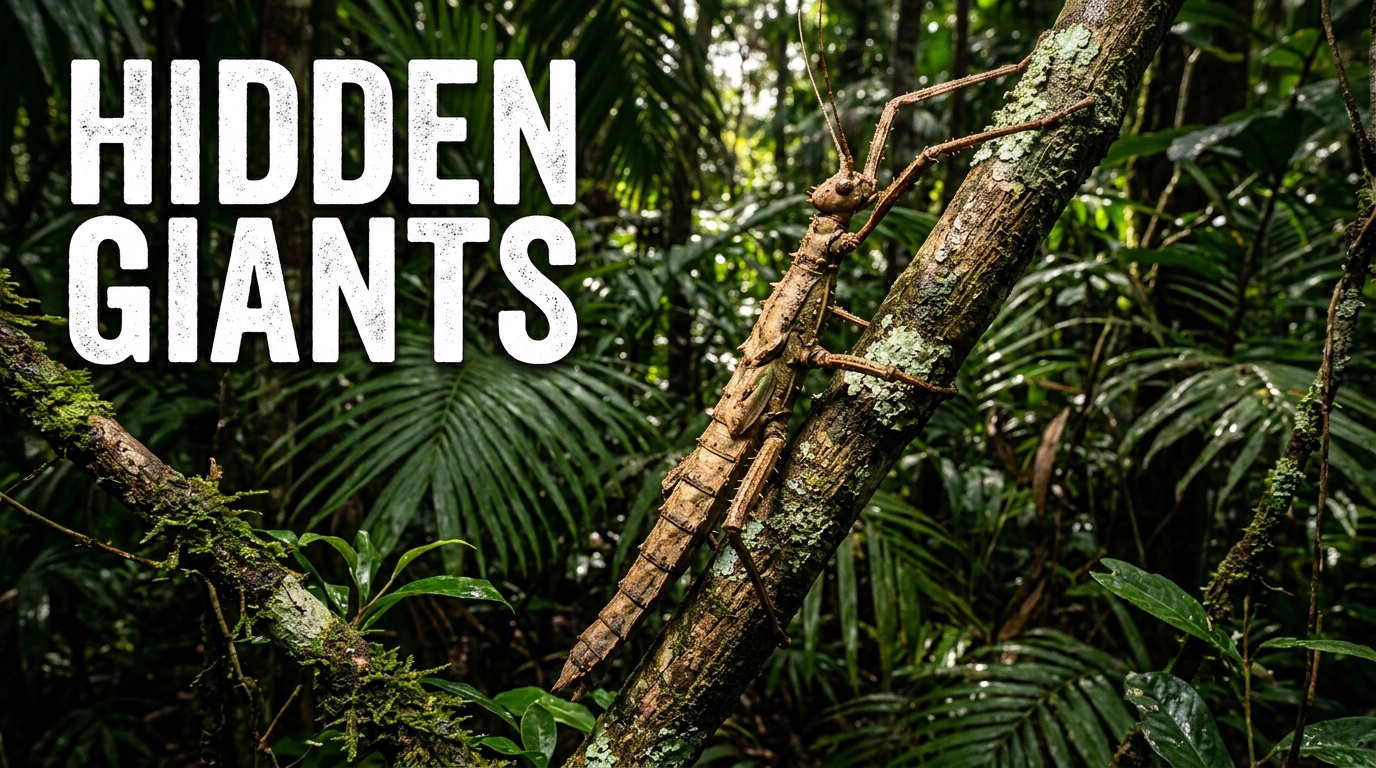
A large stick insect along eastern Australia was misidentified for half a century. A taxonomic revision published in Austral Entomology has clarified the genus Anchiale, expanding the number of recognized Australian species in the group from two to five.
Led by Dr. Braxton Jones, a postdoctoral research associate at the University of Sydney, the research team identified two previously unnamed species: Anchiale robusta and Anchiale mabiensis. The study also reinstated a third species, Anchiale albopunctata, restoring its distinct status after decades without formal recognition.
A 50-Year Mistake in Plain Sight
Female Anchiale robusta measure between 12 and 16 centimeters in body length, while males reach 9 to 10 centimeters. The species was frequently photographed by naturalists across coastal regions, yet records dating back to 1976 conflated its specimens and egg cases with Anchiale briareus (originally cataloged as Ctenomorphodes briareus before a 2007 generic transfer).
"Taxonomy is often a bit like detective work. Even among some of Australia's most photographed and frequently reported insects, we're still finding species that have escaped scientific recognition," Jones said.
Resolving the lineage required physical examinations, DNA analysis, field surveys, captive rearing, and community science records. Researchers evaluated 35 museum specimens of Anchiale, subjected 32 to genetic analysis, analyzed 37 non-Anchiale specimens for comparison, and reviewed approximately 1,100 photographic records from iNaturalist and the Atlas of Living Australia.
The Specialist of the Mabi Rainforest
Fieldwork revealed morphological and habitat variations across populations. "When we went out into the field, and we saw a whole bunch of different individuals that looked morphologically different, and they were also living in … different habitats, that was our first hint that there was a bit more of a complicated story here," Jones said.
That variation led to the description of Anchiale mabiensis, found in the fragmented Mabi rainforest of northern Queensland's Atherton Tablelands. Females stretch up to 16.3 centimeters and lay eggs featuring a distinct lid-like structure with concentric rings—a morphology previously undocumented in this insect group.
The habitat supporting A. mabiensis remains under pressure, with only about 1,050 hectares of Mabi rainforest recorded as intact in 2021. Flightlessness compounds this vulnerability. As Jones noted, "Males are always smaller than females – it's incredibly rare for a female to be able to still fly because they are quite heavy with … eggs," limiting their ability to traverse cleared land between forest fragments.
Agricultural and Conservation Impacts
Accurate identification carries practical implications for land management. Outbreaks of stick insects can defoliate canopies in commercial forestry and agriculture, and conflating distinct species with differing host plants and reproductive cycles complicates control measures.
The researchers also identified evidence of a potential third undescribed species in the genus, though formal classification awaits additional specimens.
"These findings demonstrate the importance of protecting threatened ecosystems and documenting Australia's extraordinary biodiversity before we lose species without us having even discovered them," Jones said.
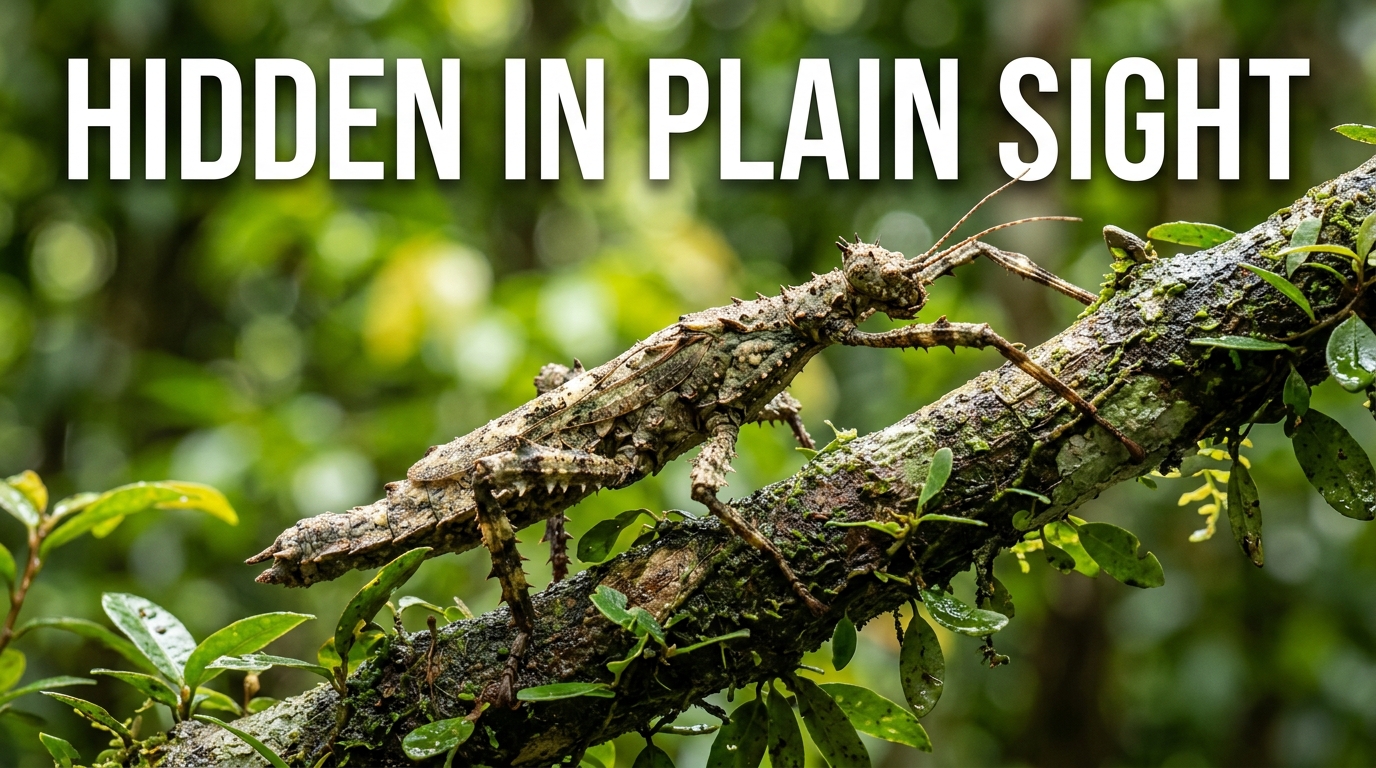
How a Giant Australian Stick Insect Fooled Scientists for Decades
More in Science & Future
 Science & Future
Diabetes Study Warning: Why Perfect Blood Sugar Might Actually Harm You
 Science & Future
Why Perfectly Flat Blood Sugar Might Be Dangerous: Shocking Diabetes Study
 Science & Future
Taking This Popular Joint Supplement? It Could Speed Up Alzheimer's Progression
 Science & Future