

Why Perfectly Flat Blood Sugar Might Be Dangerous: Shocking Diabetes Study
A recent study challenges decades of standard medical advice, revealing that eliminating all blood sugar fluctuations carries unexpected health risks.
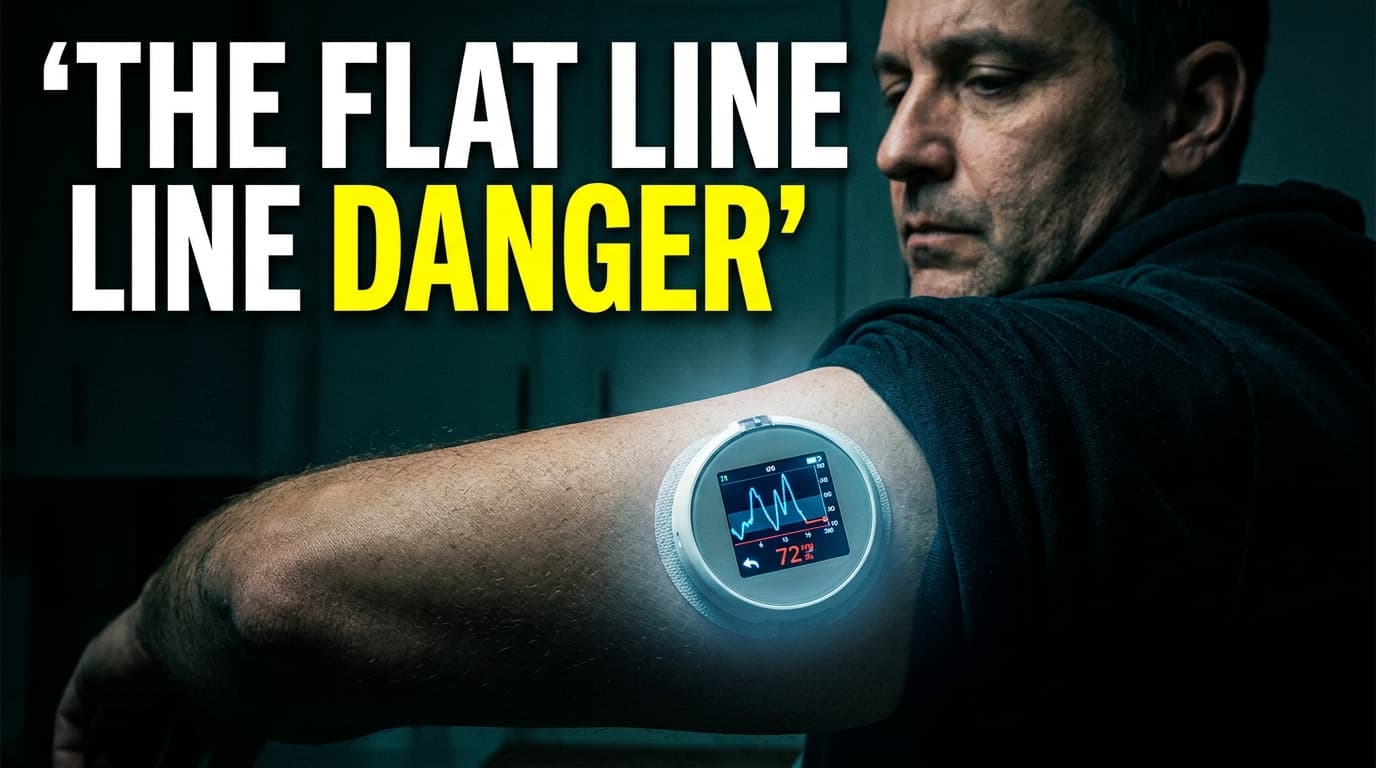
For decades, patients living with metabolic disorders have chased a seemingly obvious goal: perfectly flat blood glucose levels. A new diabetes blood sugar study challenges this long-held medical standard, suggesting that eliminating all glucose variability might actually do more harm than good. Readers will discover why aggressive management strategies carry hidden physiological risks and how the latest research is actively reshaping modern endocrinology.
Key Takeaways
- Aggressive attempts to maintain perfectly steady glucose levels significantly increase the risk of severe hypoglycemic events.
- Mild blood sugar fluctuations are biologically normal and occur naturally even in individuals without metabolic disorders.
- Hyper-focusing on continuous glucose monitor data frequently leads to psychological burnout and chronic treatment fatigue.
- Over-correcting minor glucose spikes with insulin creates a dangerous cycle of rapid metabolic crashes.
- Endocrinologists are increasingly shifting toward personalized, flexible target ranges rather than demanding a universally flat glucose profile.
The Historical Push for Perfect Glycemic Control
The medical community has spent the better part of thirty years emphasizing the absolute importance of strict glycemic control. Following massive clinical trials in the 1990s, endocrinologists established that keeping blood sugar levels as close to normal as possible dramatically reduced the risk of long-term complications like neuropathy, retinopathy, and kidney disease. The primary metric for success became the HbA1c test, which measures average blood glucose over a three-month period. Patients were urged to push their HbA1c numbers lower and lower, often through intense dietary restrictions and rigid insulin regimens.
The introduction of the continuous glucose monitor (CGM) entirely transformed this landscape. Instead of relying on a few blind finger-pricks a day, patients suddenly had access to minute-by-minute data streaming directly to their smartphones. This technological leap birthed a new metric called Time in Range (TIR), which calculates the exact percentage of the day a person spends between 70 and 180 mg/dL. While TIR provided a vastly superior picture of metabolic health compared to the HbA1c test, it also created an unintended obsession. Seeing a live graphical representation of their blood sugar tempted many patients to chase a perfectly flat line, treating any upward curve as a personal failure that required immediate correction.
The Hidden Physiological Costs of Zero Fluctuation
Attempting to force a human body into a state of zero glucose fluctuation requires substantial intervention, usually in the form of exogenous insulin. The September 2026 reports highlighted by ScienceDaily indicate that keeping blood sugar too steady may come at a serious price. When patients aggressively dose insulin to prevent minor post-meal spikes, they strip away the body's natural buffer zone against dangerous lows.
The physiological trade-offs of micro-managing blood glucose include several severe risks:
- Increased Hypoglycemia: Pushing average glucose targets too low drastically raises the chances of dipping below 54 mg/dL. Severe hypoglycemia deprives the brain of essential energy, leading to confusion, seizures, or loss of consciousness.
- Adrenal Stress: Frequent low-level dips trigger the release of counter-regulatory hormones like adrenaline and cortisol. This places chronic, exhausting stress on the cardiovascular system.
- Weight Gain: Constantly "feeding the insulin" to prevent lows after an aggressive correction dose leads to an unintended caloric surplus, complicating long-term metabolic health.
- Metabolic Rigidity: Forcing a completely flat line can impair the natural metabolic flexibility required to adapt to exercise, fasting, or illness.
Exogenous insulin administered via injection or pump enters the subcutaneous tissue, absorbing at a different rate than insulin produced naturally by a healthy pancreas. Because synthetic insulin action cannot be instantly shut off once injected, aggressively treating a minor spike often results in a steep, dangerous drop hours later.
Analyzing the Latest Diabetes Blood Sugar Study
The findings circulating in recent scientific publications emphasize the dangers of suppressing all glycemic variability. Glycemic variability refers to the swings in blood sugar levels throughout the day. While extreme swings are undeniably harmful and contribute to oxidative stress in the blood vessels, forcing a state of zero variability creates an artificial and potentially fragile metabolic environment.
The latest diabetes blood sugar study data suggests that patients who maintain an overly tight grip on their glucose levels often suffer from a higher incidence of silent hypoglycemia. These are low blood sugar events that occur during sleep or without traditional warning symptoms. When the body is forced to operate on a razor-thin margin of error, a simple variable like an unexpected walk to the bus stop or a slight delay in eating a meal can trigger a severe medical emergency. The research points to a clear conclusion: a clinical strategy that allows for safe, moderate fluctuations provides a much stronger safety net for the patient.
The Psychological Burden of Micro-Management
Beyond the physical risks, the mental toll of pursuing a flat glucose line is staggering. Chronic illness management requires daily, unrelenting effort, and setting impossible standards accelerates a condition known as diabetes distress. When the goal is an unachievable flat line, any spike from a meal, a stressful day at work, or even a poor night of sleep feels like a devastating failure.
This psychological burden manifests in several destructive ways:
- Alarm Fatigue: Constantly silencing CGM alerts for minor, harmless deviations conditions the brain to ignore the alarms entirely, causing patients to miss critical warnings for actual emergencies.
- Food Fear: Patients frequently begin restricting healthy, nutrient-dense carbohydrates (like fresh fruits and whole grains) simply to avoid seeing a temporary graphical spike on their monitor.
- Sleep Disruption: Waking up multiple times a night to micro-dose insulin or eat corrective carbohydrates ruins sleep hygiene. Poor sleep is a known driver of severe insulin resistance, creating a vicious cycle of rising blood sugars.
- Doctor Avoidance: Feelings of immense guilt over a fluctuating chart can cause patients to cancel crucial appointments with their endocrinology team out of fear of being judged.
Natural Variability Versus Dangerous Spikes
Understanding the fundamental difference between harmful hyperglycemia and normal metabolic waves is vital for healthy management. Even individuals with perfectly functioning pancreases experience noticeable glucose rises after eating a heavy meal. The human body is designed to release insulin dynamically to shuttle that glucose into cells, causing a subsequent, gradual dip. Trying to prevent the initial spike entirely contradicts basic human biology.
Different foods digest at vastly different rates based on their glycemic index and overall macronutrient profile. A meal high in fat and protein will cause a delayed, rolling rise in blood sugar, while simple carbohydrates cause a rapid peak. Attempting to flatten both of these curves with aggressive insulin dosing is a dangerous game. Non-diabetic individuals routinely see their blood sugar rise to 140 mg/dL after a carbohydrate-heavy meal before naturally returning to baseline. Medical professionals are now urging patients to accept these temporary peaks as normal physiological responses rather than errors requiring immediate pharmaceutical correction.
Redefining Success in Modern Endocrinology
The response to this diabetes blood sugar study requires a massive shift in perspective for both patients and healthcare providers. The modern approach to endocrinology is moving away from rigid, one-size-fits-all targets and toward dynamic, personalized management. The concept of "safe variability" is gaining massive traction. By allowing the body a wider buffer zone, patients drastically reduce their risk of severe lows while maintaining excellent long-term health prospects.
This shift is heavily supported by the rise of automated insulin delivery systems, frequently referred to as artificial pancreases. These advanced closed-loop systems use complex algorithms to adjust basal insulin delivery based on CGM readings. Crucially, the engineers programming these medical devices deliberately design them to allow for certain fluctuations. The algorithms recognize that aggressively correcting every minor rise causes dangerous rebound lows. By mimicking the natural ebb and flow of a healthy metabolic system, these modern tools prioritize safety and daily quality of life over an aesthetically pleasing flat graph.
Summary
The intense desire for a perfectly stable glucose graph is completely understandable but potentially counterproductive to long-term health. The latest research clearly indicates that a successful management plan accommodates natural metabolic rhythms rather than fighting them with dangerous amounts of insulin. Patients are encouraged to prioritize staying safely within a broad target range rather than chasing an impossible flat line, ultimately protecting both their physical safety and their mental well-being.
FAQs
What exactly does the new diabetes blood sugar study reveal?
Recent findings suggest that pursuing zero glucose fluctuation often leads to significantly increased risks of severe low blood sugar and immense mental burnout. The study indicates that overly steady blood sugar comes at the price of losing the body's natural safety buffer.
Is it normal for blood sugar to fluctuate daily?
Yes, daily fluctuation is entirely normal. Even individuals without metabolic conditions experience notable glucose rises after meals and subsequent dips during intense exercise or fasting periods.
Why is hypoglycemia considered so dangerous?
Severe low blood sugar deprives the brain and central nervous system of essential energy. This rapid energy starvation can quickly result in confusion, seizures, or even a coma if left untreated.
Should I stop using my continuous glucose monitor based on this news?
Absolutely not. Continuous glucose monitors remain critical, life-saving medical devices. The goal is to change how you interpret the incoming data, using it to spot broad trends rather than obsessing over minute-by-minute numerical changes.
What is a healthy Time in Range target?
Most clinical guidelines recommend aiming for 70 percent of the day between 70 and 180 mg/dL. Specific targets must always be individualized through direct consultation with your prescribing physician.

Taking This Popular Joint Supplement? It Could Speed Up Alzheimer's Progression
More in Science
 Science
CERN Pulls the Plug: Why the Large Hadron Collider Is Officially Going Dark
 Science
Did Scientists Just Create Matter From Nothing? Quantum Computer Simulates The Impossible
 Science
The Science Behind the GTA 6 Countdown: Why the Brain Obsesses Over It
 Science