

Diabetes Study Warning: Why Perfect Blood Sugar Might Actually Harm You
A groundbreaking new analysis reveals that chasing a perfectly flat glucose line carries hidden physical and psychological costs for patients.

For decades, medical professionals have preached a simple, unified rule for managing metabolic health. Keep your glucose levels as stable as humanly possible. However, a groundbreaking new diabetes study suggests that chasing a perfectly flat blood sugar line might actually backfire, carrying hidden physical and mental costs that patients rarely anticipate. The recent findings challenge the long-held assumption that absolute glycemic perfection is the ultimate goal for everyone.
Key Takeaways
- A recent diabetes study indicates that hyper-strict glycemic control introduces serious new health risks.
- Patients aiming for zero glucose variability often suffer from dangerous, frequent hypoglycemic episodes.
- The psychological burden of constantly monitoring blood sugar leads to high rates of alarm fatigue and clinical burnout.
- Over-correcting minor spikes can cause rapid weight gain and increased cardiovascular stress over time.
- Endocrinologists are shifting focus from perfect numerical graphs to sustainable, individualized health goals.
The Modern Obsession with a Flat Line
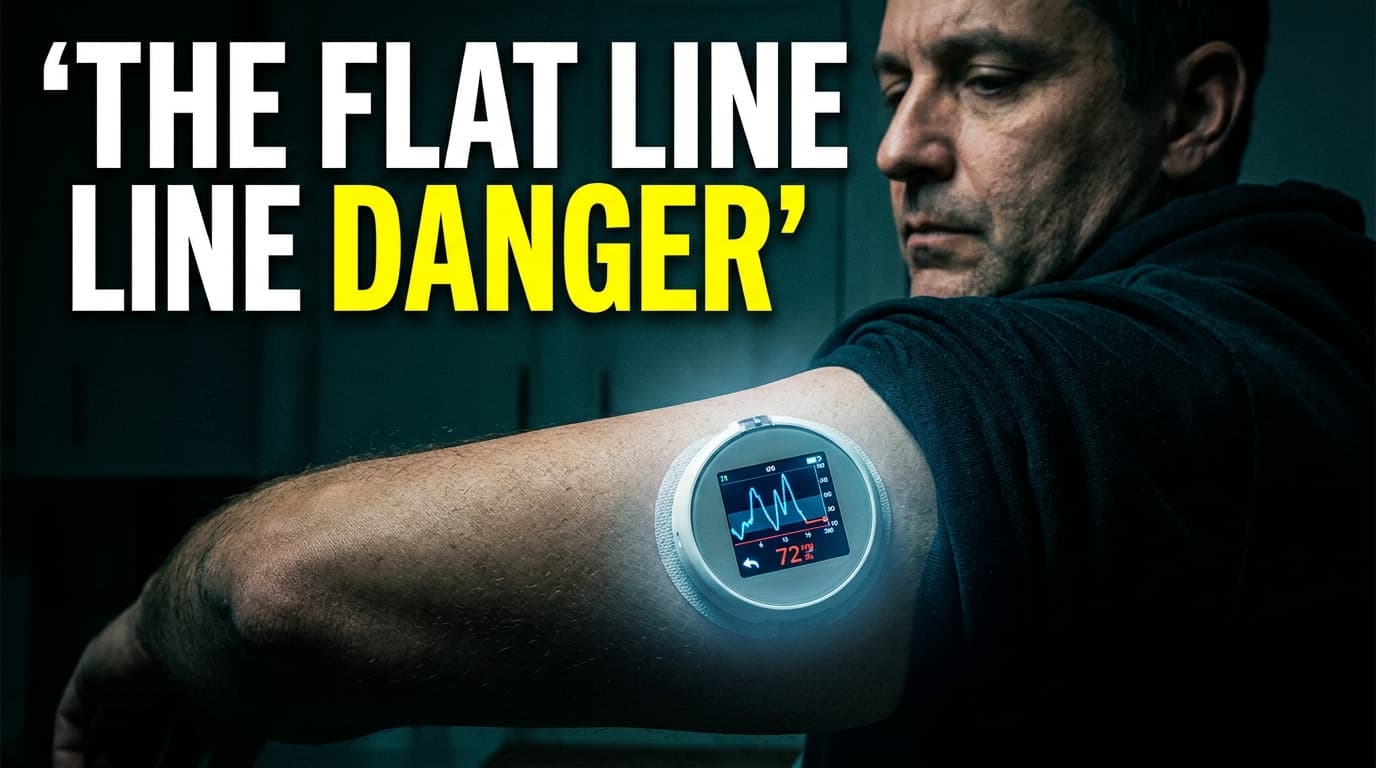
The technological revolution in medical devices has completely transformed how patients interact with their own biology. Before the invention of continuous glucose monitors (CGMs), individuals relied on periodic fingersticks to check their capillary blood a few times a day. These isolated data points provided a general snapshot of metabolic health. Today, a small sensor attached to the arm or abdomen measures interstitial fluid every five minutes, generating up to 288 specific readings every single day. This constant stream of data creates an immense expectation of absolute perfection.
Patients now open their smartphone apps to see detailed graphs showing every minor spike and dip. The medical community uses a metric called Time in Range (TIR), which measures the percentage of the day a person spends between 70 and 180 milligrams per deciliter. While achieving a high TIR is generally positive, the immediate feedback loop of modern devices often pushes users to aim for an impossibly tight margin. Seeing a slight upward trend after eating a healthy piece of fruit can trigger unnecessary panic. People begin micromanaging their diets, restricting carbohydrates to an extreme degree, and agonizing over natural physiological responses.
This obsession is frequently amplified by social media. Influencers and fitness enthusiasts routinely post images of perfectly flat glucose graphs, creating an unrealistic standard for everyday individuals managing complex chronic conditions. The human body is dynamic, constantly responding to stress, sleep cycles, hormonal shifts, and physical activity. Attempting to force a dynamic biological system into a static, unchanging state requires extreme interventions that often cause secondary health complications.
The Hidden Physical Dangers of Strict Control
The most immediate and severe consequence of targeting a perfectly flat glucose line is the heightened risk of hypoglycemia. When an individual attempts to keep their blood sugar hovering right around 85 or 90 milligrams per deciliter, the margin of error becomes dangerously thin. A slight miscalculation in an insulin dose, an unexpected brisk walk, or a delayed lunch can send levels crashing downward. Severe low blood sugar is a medical emergency that can cause confusion, loss of consciousness, seizures, and fatal cardiac arrhythmias.
Historical data has long hinted at these dangers. The famous ACCORD clinical trial, conducted years ago, was actually halted early because patients placed in the intensive blood sugar control group experienced a higher mortality rate than those in the standard control group. The latest diabetes study builds directly upon this foundational knowledge. Researchers found that the constant micro-stress of hovering near the low end of the spectrum damages long-term metabolic resilience. The body perceives impending hypoglycemia as a severe threat, releasing massive amounts of adrenaline and cortisol to force the liver into dumping stored glycogen.
This biological panic response is physically exhausting. The resulting surge in stress hormones causes the heart to beat faster, raises blood pressure, and creates widespread systemic inflammation. Following a hypoglycemic event, patients often experience a massive rebound spike in their glucose levels, known as the Somogyi effect. To correct this new high, they administer more medication, restarting a vicious, exhausting cycle of rapid drops and aggressive corrections. The constant cardiovascular strain of these rapid swings often outweighs the theoretical benefits of avoiding mild, temporary elevations.
The Psychological Toll and Alarm Fatigue
The hidden price of strict glycemic control extends far beyond physical symptoms. Mental health professionals are increasingly recognizing the profound psychological toll of modern disease management. The constant beeping, vibrating, and alerting of medical devices creates a state of chronic hyper-vigilance. Alarm fatigue occurs when a patient is bombarded by so many alerts for minor, non-threatening deviations that they become permanently anxious and exhausted.
This phenomenon contributes heavily to a clinical condition known as diabetes distress. Unlike general depression or anxiety, this specific form of distress relates directly to the relentless, 24-hour burden of managing the disease. Patients begin to view food entirely as a mathematical equation rather than a source of nourishment or joy. The fear of triggering a high glucose alert can lead to restrictive eating patterns that closely mimic clinical eating disorders. Individuals might skip meals, avoid social gatherings, or refuse to participate in physical activities because they cannot perfectly predict how their body will react.
The recent diabetes study highlights this exact psychological price tag. Researchers noted that extreme mental exhaustion eventually leads to long-term burnout. When the daily burden becomes entirely unbearable, many patients simply stop checking their levels altogether, abandoning their management routines entirely. A moderate, flexible approach that allows for natural fluctuations is far more likely to result in sustained compliance and a higher overall quality of life.
Rethinking A1C Goals for Individual Needs
Clinical guidelines are slowly shifting to reflect these new realities. The A1C test, which measures a person's average blood sugar over a three-month period, has long been the gold standard for assessing metabolic health. Historically, the medical consensus dictated that a lower A1C was universally better. Today, leading endocrinologists advocate for a highly customized approach that balances long-term complication risks against short-term safety hazards.
Doctors now consider a wide variety of personalized factors when establishing an A1C target for a specific patient. These critical variables include:
- The patient's age and overall life expectancy.
- A documented history of severe hypoglycemic events.
- The presence of advanced cardiovascular disease or kidney complications.
- The individual's psychological resilience and current stress levels.
- Access to reliable medical support, healthy food, and monitoring technology.
For a young, newly diagnosed adult, an A1C target of 6.5 percent might be perfectly appropriate and safe. Conversely, for an elderly patient with multiple comorbidities, pushing their A1C down to that same level is incredibly dangerous. An older adult might safely target a 7.5 percent or even 8.0 percent A1C. The immediate risk of a senior citizen falling and breaking a hip during a hypoglycemic episode far outweighs the statistical risk of them developing mild retinopathy twenty years in the future. Flexibility in clinical targets is essential for preserving patient safety.
Achieving Sustainable Metabolic Health
The ultimate goal for patients and providers is finding a sustainable middle ground. The focus must transition away from a rigid numerical obsession toward holistic, comprehensive well-being. True metabolic health encompasses far more than a single line on a digital graph. Quality sleep, effective stress management, joyful physical movement, and balanced nutrition all play massive roles in determining a person's long-term outcomes.
Embracing a moderate approach allows individuals to live their lives without constant fear. A temporary spike after eating a piece of birthday cake or skipping a single workout does not equate to a medical failure. The human body is remarkably resilient when treated with care rather than rigid micromanagement. By acknowledging the dangers of hyper-strict control, the medical community can guide patients toward routines that protect their physical organs while simultaneously preserving their mental health.
Summary
Chasing absolute perfection in glucose management is no longer the undisputed gold standard in medical care. This latest diabetes study proves that human bodies are dynamic biological systems, not machines designed to run on a completely flat graph. By embracing a moderate, individualized approach, patients can protect their immediate physical safety while preserving their mental well-being over the long haul. Health is about sustainable balance, not flawless data.
FAQs
What did the new diabetes study discover?
The research revealed that keeping blood sugar too steady has hidden physical and mental costs. Attempting to maintain a perfectly flat glucose graph frequently leads to dangerous hypoglycemic episodes and severe psychological burnout.
Is it bad to have perfectly stable blood sugar?
Stable glucose levels are generally healthy, but the extreme interventions required to force absolute perfection often cause harm. The margin of error becomes so small that patients risk sudden crashes and immense daily stress.
What is a safe A1C target?
Most healthy adults aim for an A1C under 7.0 percent to prevent long-term complications. Older adults or those prone to severe low blood sugar might safely target 7.5 percent or 8.0 percent to prioritize immediate physical safety.
Do continuous glucose monitors cause anxiety?
Yes, for many individuals, the constant stream of medical data triggers obsessive behaviors. The frequent beeping and alerting of these devices can cause severe alarm fatigue and clinical distress.
Should I stop trying to control my blood sugar entirely?
Absolutely not. The goal is to achieve moderate, sustainable control rather than stressful, risky perfection. You should always work closely with your doctor to find a personalized target range that fits your specific lifestyle.
Why Perfectly Flat Blood Sugar Might Be Dangerous: Shocking Diabetes Study
More in Science
 Science
Taking This Popular Joint Supplement? It Could Speed Up Alzheimer's Progression
 Science
CERN Pulls the Plug: Why the Large Hadron Collider Is Officially Going Dark
 Science
Did Scientists Just Create Matter From Nothing? Quantum Computer Simulates The Impossible
 Science