
These 5 Massive Sports Shocks Just Flipped the Entire Season Upside Down
A wild stretch across basketball, baseball, and football just shattered expectations and reshaped championship odds across the globe.
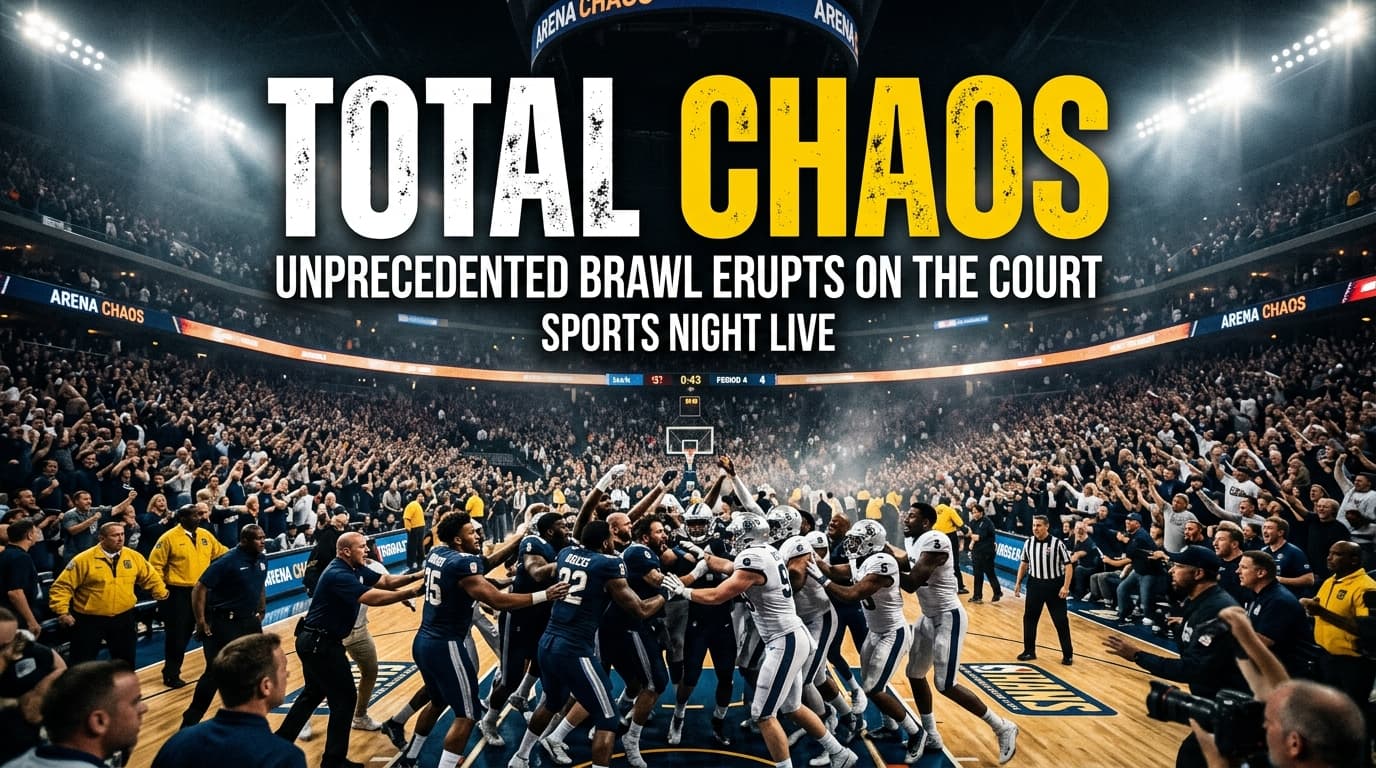
Championship races rarely unravel overnight, yet the past seven days produced an avalanche of upsets, roster upheaval, and tactical meltdowns that caught oddsmakers completely flat-footed. From frantic postseason pushes on hardwood courts to early-season shocks on diamond fields, the biggest storylines in sports this week delivered relentless drama that will alter title hunts for months. Here is your definitive breakdown of what transpired, why it matters, and who stands to pay the heaviest price when the dust clears.
Key Takeaways
- Underdog dominance flipped title projections on their head, prompting sportsbooks to slash longshot odds across major leagues.
- Marquee roster injuries altered Western Conference playoff positioning, putting top seeds in sudden jeopardy.
- Early-season baseball anomalies revealed pitching depth vulnerabilities that front offices must address before midseason.
- Tactical shifts in international soccer exposed vulnerabilities in historic powerhouses ahead of continental knockout fixtures.
- Contract drama and sudden trade chatter began shaping draft board projections far earlier than customary.
The NBA Postseason Mad Scramble: Contenders Stumble as Seeding Implodes
Chaos erupted across the professional basketball circuit, rendering conventional wisdom obsolete within forty-eight hours. The Western Conference standings transformed into a battlefield where a single possession separated home-court advantage from the dreaded play-in tournament. Heavyweights stumbled against lottery-bound opponents, surrendering double-digit leads in fourth quarters and exposing severe transition defense deficiencies.
Key developments that shook the playoff picture include:
- Denver suffered back-to-back fourth-quarter collapses against sub-.500 opponents, falling behind in the race for home-court advantage.
- Oklahoma City capitalized on perimeter defensive breakdowns, leaning on 31 points per game from Shai Gilgeous-Alexander to pressure veteran rivals.
- The Phoenix Suns navigated a grueling closing schedule, balancing Devin Booker's perimeter volume against interior rim protection deficits.
- Golden State and the Los Angeles Lakers found themselves locked into a desperate battle for the eighth seed, knowing one off night in April ends their season.
The statistical disparity tells an unforgiving story. Teams occupying seeds five through ten posted an aggregate .540 winning percentage, the closest statistical margin between middle-tier playoff clubs since the league adopted its current format. Coaches are shortening rotations three weeks ahead of schedule, pulling bench units off the floor after three-minute lapses. Playoff viability now hinges on rotational stamina rather than star reputation alone.
March Madness Hangover and the Transfer Portal Frenzy
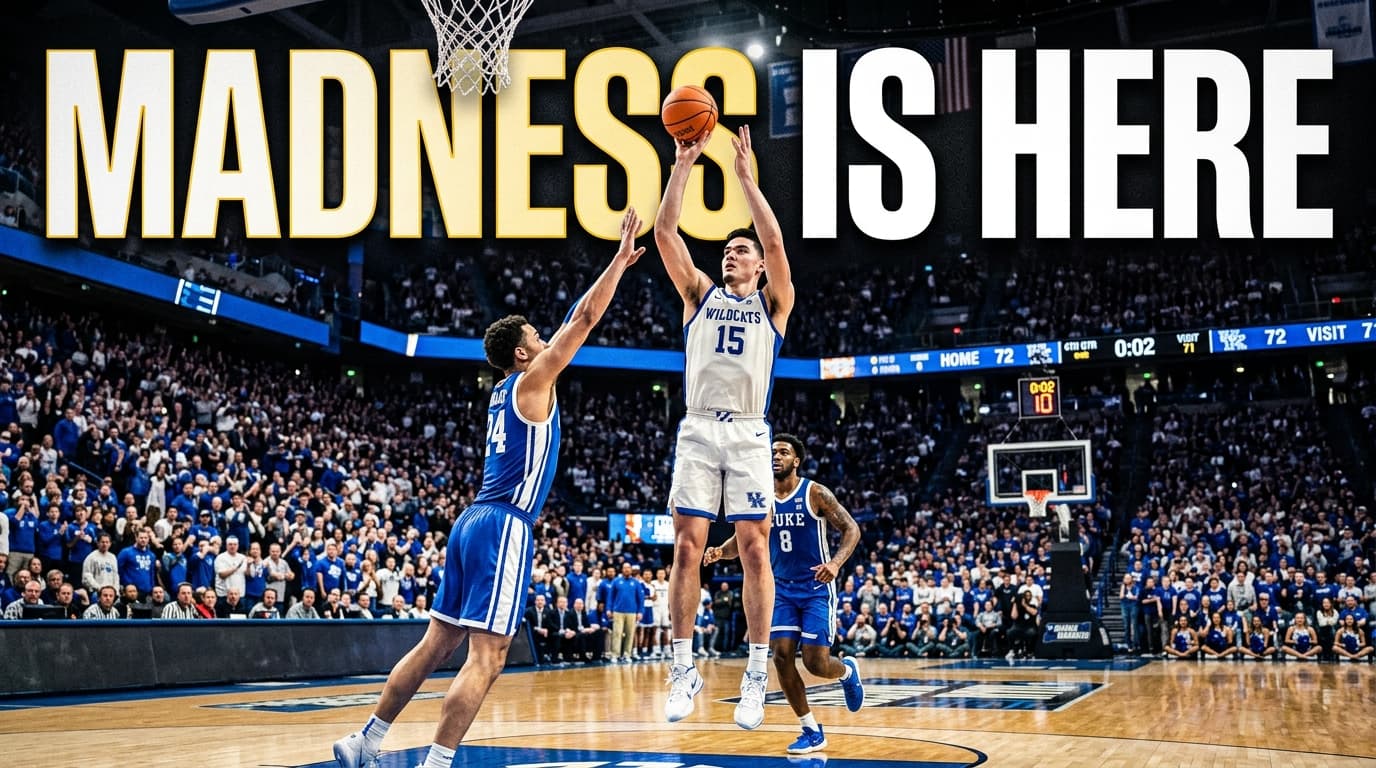
Collegiate basketball delivered a tournament cycle defined by historic perimeter efficiency and unprecedented mid-major resilience. Just as the nets were cut down, the transfer portal opened its digital gates, igniting an immediate secondary arms race among collegiate programs seeking instant roster reconstruction. This dramatic reshuffling stands among the biggest storylines in sports this week, with athletic directors allocating unprecedented funding toward transfer acquisitions.
The mechanics of this roster revolution break down along distinct financial and logistical fault lines:
- Immediate Eligibility: Over 1,200 players submitted paperwork during the opening seventy-two hours, setting an all-time record.
- Positional Valuation: Pure point guards and stretch frontcourt shooters command six-figure valuations within minutes of entering the database.
- Coaching Carousel Ripple Effects: High-profile coaching departures triggered mass roster exoduses at storied athletic programs.
- Roster Retention Battles: Mid-major champions lost starting lineups to power-conference budgets capable of outbidding modest compensation packages.
Blue-blood programs that exited early during tournament play reacted aggressively. Traditional scouting pipelines have been subordinated to portal matchmaking services, forcing coaching staffs to recruit collegiate veterans over four-star high school prospects. The transition means incoming freshman classes face dwindling floor time across major conferences next winter.
Early-Season Diamond Surprises: Pitching Clocks and Bullpen Collapse
Major League Baseball's calendar reached its first statistical checkpoint, producing an alarming trend that front-office analysts could not forecast. Starting pitchers are exiting contests earlier than at any mark in modern baseball history, thrusting relievers into high-leverage innings before April even established its rhythm. High-priced relief corps surrendered historic run totals in the seventh and eighth innings, turning routine leads into bullpen disasters.
Several critical factors drove this bullpen volatility:
- Starting pitcher pitch counts plummeted to an average of just 78 pitches per outing across the opening series.
- Pitch timer violations dropped by forty percent compared to last spring, proving pitchers adapted mechanically while sacrificing pitch velocity.
- Reliever usage rates spiked by 18 percent year-over-year, leading to early soft-tissue forearm and shoulder fatigue reports.
- Run production from the bottom third of batting lineups increased by nearly three full runs per game across both leagues.
Franchises built around elite rotation duos find themselves vulnerable if secondary arms fail to throw strikes consistently. Front offices are already fielding calls regarding veteran relief depth, with non-contenders positioning themselves to extract premium minor-league capital well before the July trade deadline.
European Football: Champions League Shocks Reset Continental Supremacy
Across the Atlantic, European soccer reached a fever pitch as the Champions League quarterfinal fixtures tore up script after script. Tacticians abandoned conservative defensive shapes in favor of high-pressing, end-to-end chaos that yielded staggering scorelines. Historic powers that dominated domestic play for months were thoroughly exposed by lightning-fast transition attacks, creating one of the biggest storylines in sports this week for international supporters.
Crucial tactical shifts defined these matches:
- Manchester City met unexpected resistance from disciplined low-block defenses that countered through rapid wide overloads.
- Real Madrid exploited half-space vulnerabilities against ball-dominant opponents, turning minimal possession into clinical finishing.
- Bayern Munich rediscovered attacking cohesion precisely when critics predicted an early continental exit.
- Paris Saint-Germain experienced severe structural fractures in midfield transition, putting their European ambitions under immense scrutiny.
The away-goals rule elimination continues to change managerial risk tolerance. Teams down by a goal in the seventy-fifth minute no longer sit back to preserve an aggregate deficit; they push central defenders into the penalty area, inviting frantic counter-attacks that thrill neutral spectators while giving club executives ulcers.
NFL Offseason Aftershocks: Draft Trade Speculation Hits Boiling Point
While action raged on courts and pitches, gridiron headlines dominated discussions as the NFL Draft approached. Front-office whispers transformed into open phone conversations, with quarterback-needy franchises assembling war chests of draft picks to jump into the top three selections. The financial implications of drafting a rookie quarterback versus paying thirty-five million dollars annually to a bridge veteran polarized war rooms across thirty-two cities.
Key draft-board developments this week include:
- Top-three consensus picks solidified around premier offensive playmakers, leaving defensive prospects tumbling down analyst boards.
- Multiple franchises holding picks four through eight signaled public willingness to trade down for future draft capital.
- Veteran quarterbacks on expiring contracts expressed open discontent regarding contract extension standoffs.
- Wide receiver values reached historic highs, with trade packages demanding multiple early-round selections.
General managers operate under immense scrutiny. One bad decision on draft night sets an organization back five years, while a successful trade up can establish a ten-year playoff window. With pro-day workouts officially concluded, the evaluation period has transitioned into psychological profiling and contract gamesmanship, cementing its place among the biggest storylines in sports this week.
Summary
Athletic competition remains wonderfully volatile, shattering predictions across every major league this week through frantic basketball playoff chases, bullpen breakdowns, and ruthless draft maneuvering. The ripple effects from these results will define coaching tenures, contract figures, and postseason seedings for the remainder of the calendar year. Tracking how organizations react under this immense pressure will separate genuine contenders from costly disappointments.
FAQs
Which sports generated the biggest storylines in sports this week?
Basketball captured primary attention through intense professional playoff positioning and the opening of the collegiate transfer portal, alongside major tactical shocks in European soccer and early MLB bullpen crises.
Why are early-season baseball bullpens struggling so heavily?
Starting pitchers are exiting contests significantly earlier to protect arm health, forcing relievers to absorb high-leverage innings before establishing mechanical consistency and arm endurance.
How does the collegiate transfer portal impact high school recruiting?
Colleges now prioritize experienced collegiate transfers with proven physical maturity, resulting in fewer roster spots and reduced scholarship allocations for incoming freshman high school athletes.
What is driving the intensity of the NBA Western Conference standings?
Historical parity across seeds four through ten means a two-game winning or losing streak can propel a team toward home-court advantage or drop them into the dangerous single-elimination play-in tournament.
Will NFL teams trade into the top picks before draft night?
Franchises needing immediate quarterback answers historically execute trades days before the event, allowing front offices to finalize contract outlines and system adjustments well before selecting the prospect.