
Mubi CEO Efe Cakarel Shuts Down Critics After Massive Opening Weekend Victory
Mubi CEO Efe Cakarel celebrated an explosive theatrical debut for Primetime, proving arthouse cinema still dominates the cultural conversation.
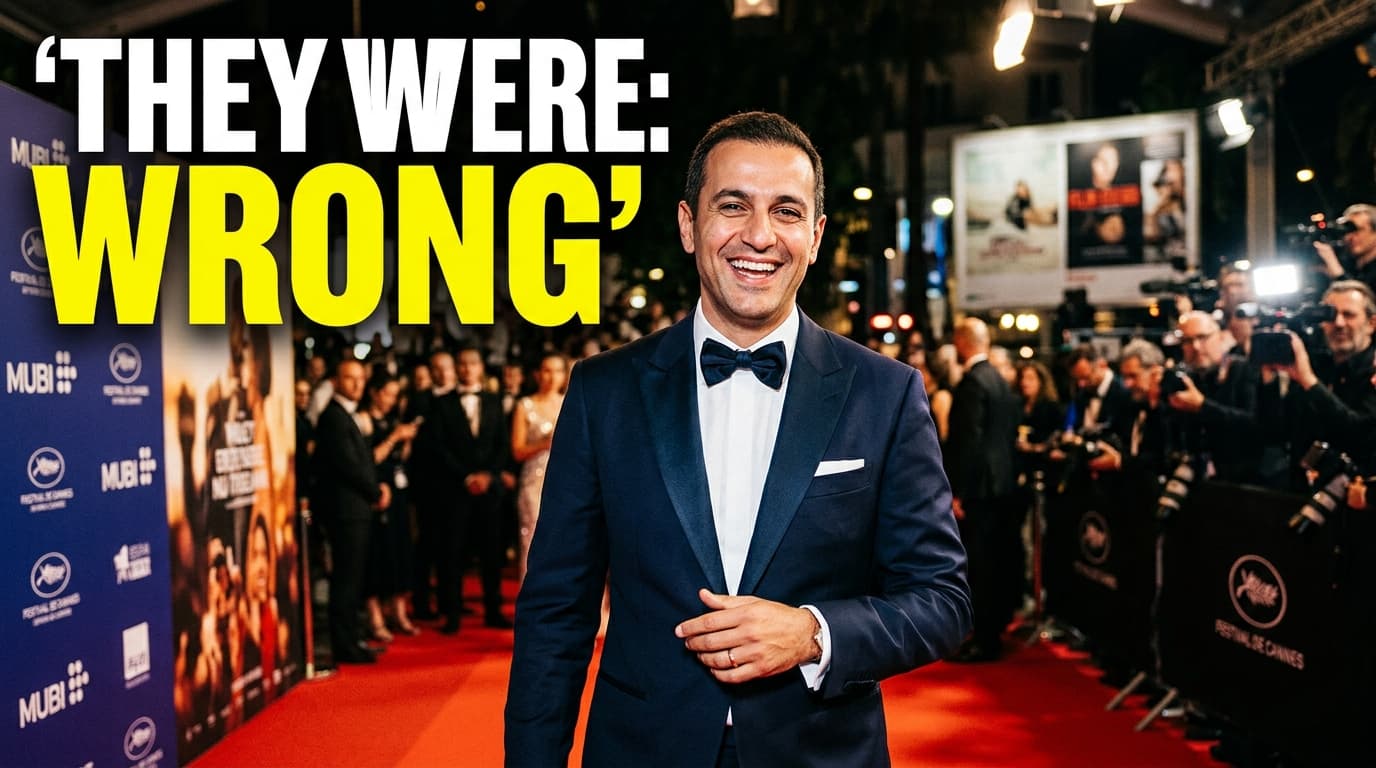
Independent cinema just landed a massive blow against risk-averse Hollywood studios. Following an explosive debut weekend for the controversial new release Primetime, Mubi CEO Efe Cakarel issued a fiery victory lap, celebrating packed auditoriums and declaring that audiences are hungry for boundary-pushing cinema. If rival studio heads thought specialty distribution was dead, this past weekend offered an expensive wake-up call.
Key Takeaways
- Mubi CEO Efe Cakarel hailed the opening weekend performance of Primetime as a validation of daring, non-traditional theatrical filmmaking.
- The release shattered per-screen averages in major metropolitan markets, outpacing several competing wide-release studio titles.
- Industry insiders view the rollout as part of Mubi's aggressive shift from niche streaming platform to premier theatrical distributor.
- The film sparked fierce social media debate, driving viral word-of-mouth that filled late-night weekend screenings in New York, Los Angeles, and London.
- Rival indie distributors like A24 and Neon face intensified competition as Mubi continues to outbid legacy players on the international festival circuit.
The Shock Opening Weekend That Shook Arthouse Circles
Hollywood tracking services rarely pay close attention to boutique distributors during crowded release frames. Yet, over three days, Primetime defied muted forecasts, posting an astonishing $42,000 per-screen average across select platform locations before widening its theater footprint. The intoxicating blend of polarizing subject matter and relentless guerrilla marketing transformed each screening into a cultural event.
Lines snaked around city blocks outside Manhattan's Angelika Film Center and the Alamo Drafthouse in Los Angeles. Popcorn sales took a back seat to frantic post-screening arguments on the sidewalk. By Sunday evening, Mubi CEO Efe Cakarel took to industry platforms to praise the results, writing that the numbers demonstrate that bold storytelling is here to stay. Cakarel emphasized that cinephiles will abandon their couches when distributors offer original, unapologetic visions rather than algorithmic studio filler.
Box office analysts pointed out several surprising metrics behind the debut:
- Demographic skew: Over 58 percent of ticket buyers were under the age of 35, defying the stereotype that arthouse theatergoers are aging out.
- Late-night surge: Showtimes after 10:00 PM consistently sold out faster than standard matinee slots.
- Social conversion: Ticket sales spiked directly following viral TikTok and Letterboxd discourse surrounding the film's shocking third act.
- Geographic spread: Strong attendance was not restricted to coastal cinephiles; specialty venues in Austin, Chicago, and Toronto reported capacity crowds.
Inside Mubi's Meteoric Rise from Niche App to Distribution Heavyweight
Founded in 2007 as a curated digital platform known originally as The Auteurs, Mubi spent more than a decade operating quietly on the periphery of the streaming wars. While Netflix and Amazon spent billions licensing legacy television catalogs, Cakarel stayed disciplined, cultivating an ultra-discerning subscriber base through daily film rotations and auteur retrospectives. The pivot toward theatrical distribution, however, represents a calculated bet to beat prestige studios at their own game.
Mubi CEO Efe Cakarel has radically repositioned the brand over the past twenty-four months. Rather than merely acquiring video-on-demand rights for international film festivals, Mubi started cutting nine-figure acquisition checks at Cannes, Venice, and Sundance. By pairing aggressive theatrical runs with its established subscription streaming ecosystem, the company guarantees filmmakers prestige exposure alongside long-tail digital monetization.
Industry whispers indicate that traditional distributors were caught off guard by Mubi's willingness to commit massive theatrical prints-and-advertising budgets. At recent film markets, rival executives complained that Cakarel drove up bidding wars to unprecedented heights. Yet the opening numbers for Primetime suggest that the aggressive spending strategy is yielding tangible financial dividends.
The Feud Between Prestige Mini-Majors: A24, Neon, and Mubi
In the high-stakes gossip corridors of talent agencies and festival cocktail parties, the conversation has centered on the escalating turf war between indie cinema's heavy hitters. For nearly a decade, A24 reigned supreme as the unchallenged tastemaker for younger cinephiles. Later, Neon carved out its own prestige territory by steering multiple Cannes Palme d'Or winners straight to Academy Award glory. Now, Mubi is disrupting that cozy duopoly.
Insiders report rising tension behind closed doors at agency package presentations. Mubi's sales pitches emphasize global reach, creative freedom, and complete commitment to theatrical purity. Directors who once defaulted to A24 are increasingly taking meetings with Cakarel's executive team. The success of Primetime signals that Mubi possesses the marketing muscle to turn polarizing festival favorites into genuine pop-culture phenomena.
Consider how the competing specialty studios currently stack up against each other:
- A24: Moving increasingly into commercial IP, action titles, and higher-budget studio vehicles while maintaining a boutique brand image.
- Neon: Focused on elite festival acquisitions, foreign-language prestige titles, and aggressive Oscar campaigning.
- Mubi: Combining global festival acquisitions, direct streaming infrastructure, and disruptive theatrical marketing targeting younger international cinephiles.
Word-of-Mouth Hype and Controversial Narrative Gambles
Part of what makes the Primetime phenomenon so striking is the sheer hostility of early reviews from traditional critics. Mainstream print outlets debated whether the production was brilliant satire or self-indulgent provocation. However, modern cultural currency is no longer controlled by legacy newspaper columnists. Gen Z and millennial moviegoers flocked to theaters specifically to judge the chaos for themselves.
Mubi CEO Efe Cakarel leaned directly into the controversy, greenlighting marketing materials that highlighted polarizing reactions rather than sanitizing the film for general audiences. Red-band trailers, stark typography, and cryptic teaser billboards fueled massive engagement across Reddit, Instagram, and Discord communities. The result was an old-fashioned word-of-mouth firestorm where audiences felt compelled to buy a ticket simply to participate in Monday morning arguments.
Specialty exhibition chains welcomed the revenue with open arms. After a sluggish winter box office season marked by delayed blockbusters and superhero fatigue, arthouse theater operators credit titles like Primetime with keeping projector bulbs lit. The enthusiasm shows that audiences are not tired of cinema; they are tired of predictable scripts designed by executive committees.
What Cakarel's Strategy Means for the Future of Indie Cinema
The triumph of this launch arrives at a pivotal juncture for the global film business. Major theater chains are scrambling to fill empty screens, while streaming services quietly cut original programming budgets to pursue profitability. By proving that adventurous original films can still draw packed houses, Mubi is carving out a sustainable roadmap for modern cinema distribution.
Cakarel's public comments reflect a broader ambition. Mubi does not want to be viewed merely as an online library for dead European cinema; it wants to be the primary cultural home for contemporary visual provocateurs. Backing up bold rhetoric with sold-out weekend screenings gives the company immense leverage heading into upcoming market auctions at Toronto and Venice.
Talent representatives have already taken note. Top-tier screenwriters and directors are looking closely at how carefully Mubi nurtured Primetime through its lifecycle, treating it as an artistic event rather than content designed to scroll past on an app. If Cakarel maintains this momentum, expect several headline-grabbing talent signings to follow before the year wraps up.
Summary
Mubi CEO Efe Cakarel proved the skeptics wrong this weekend as Primetime delivered exceptional theatrical numbers that challenged industry assumptions. By blending bold acquisition gambles, disruptive grassroots marketing, and respect for physical moviegoing spaces, Mubi established itself as a true titan in independent distribution. Bold, unapologetic storytelling remains commercially viable whenever distributors treat audiences with intelligence and ambition.
FAQs
Who is Efe Cakarel?
Efe Cakarel is the founder and chief executive officer of Mubi, the global streaming platform, film distributor, and production company founded in 2007.
Why was the opening weekend for Primetime significant?
The film achieved rare per-screen box office averages for a specialty indie release, outperforming wide studio releases in key metropolitan markets and sparking widespread viral debate.
How does Mubi release its movies in theaters?
Mubi pairs curated platform theatrical rollouts with strong regional marketing, often partnering with independent theater chains before bringing titles exclusively to its digital streaming platform.
How does Mubi compete with A24 and Neon?
Mubi competes by bidding aggressively for international festival darlings, financing original auteur-driven productions, and using its existing global streaming subscriber base to build worldwide marketing awareness.
Where can audiences watch Primetime right now?
Primetime is currently screening in select theaters across North America and Europe, with an expanded international rollout scheduled prior to its eventual streaming debut on Mubi.