

AT&T, T-Mobile, and Verizon Formalize Joint Venture to End Cellular Dead Zones
AT&T, T-Mobile, and Verizon have executed a joint venture agreement to pool spectrum and expand direct-to-device satellite connectivity nationwide.

AT&T, T-Mobile, and Verizon have formally entered into a joint venture agreement to eliminate cellular dead zones across the United States. Announced on October 1, 2026, the deal finalizes a preliminary framework first established on May 14, 2026.
Shared Direct-to-Device Infrastructure
The initiative centers on direct-to-device (D2D) satellite connectivity and pooled licensed spectrum resources to complement terrestrial mobile networks. The carriers claim the partnership will nearly eliminate dead zones nationwide while providing backup connectivity during major natural disasters or terrestrial disruptions.
Paul Roth, a former executive at AT&T, Cingular Wireless, and Ameritech, has taken charge as interim CEO while the venture conducts a search for a permanent chief executive. The new entity will be governed by a board of directors featuring representatives from each of the three carriers.
The partners plan to establish common technical specifications across operating system vendors, application developers, and device manufacturers to expand direct-to-device access.
Existing Deals and Rural Carriers
Existing carrier agreements with satellite providers remain active, and each founding carrier retains the right to pursue independent satellite connectivity initiatives outside the venture. The joint venture also plans to work with rural mobile network operators to help enable satellite-supported coverage for their customer bases.
Strategic Landscape and Open Questions
Industry reporting indicates the alliance serves as a strategic hedge against growing satellite-terrestrial competition. Reports highlighted SpaceX's $19.6 billion acquisition of EchoStar's AWS-4, H-Block, and terrestrial AWS-3 spectrum as a factor accelerating the carriers' decision to collaborate.
Key details remain unannounced. The partners have not released an official corporate name for the joint venture, a commercial launch timeline, or the specific spectrum blocks to be pooled. Regulatory filings and required approvals before deployment also remain unclarified.
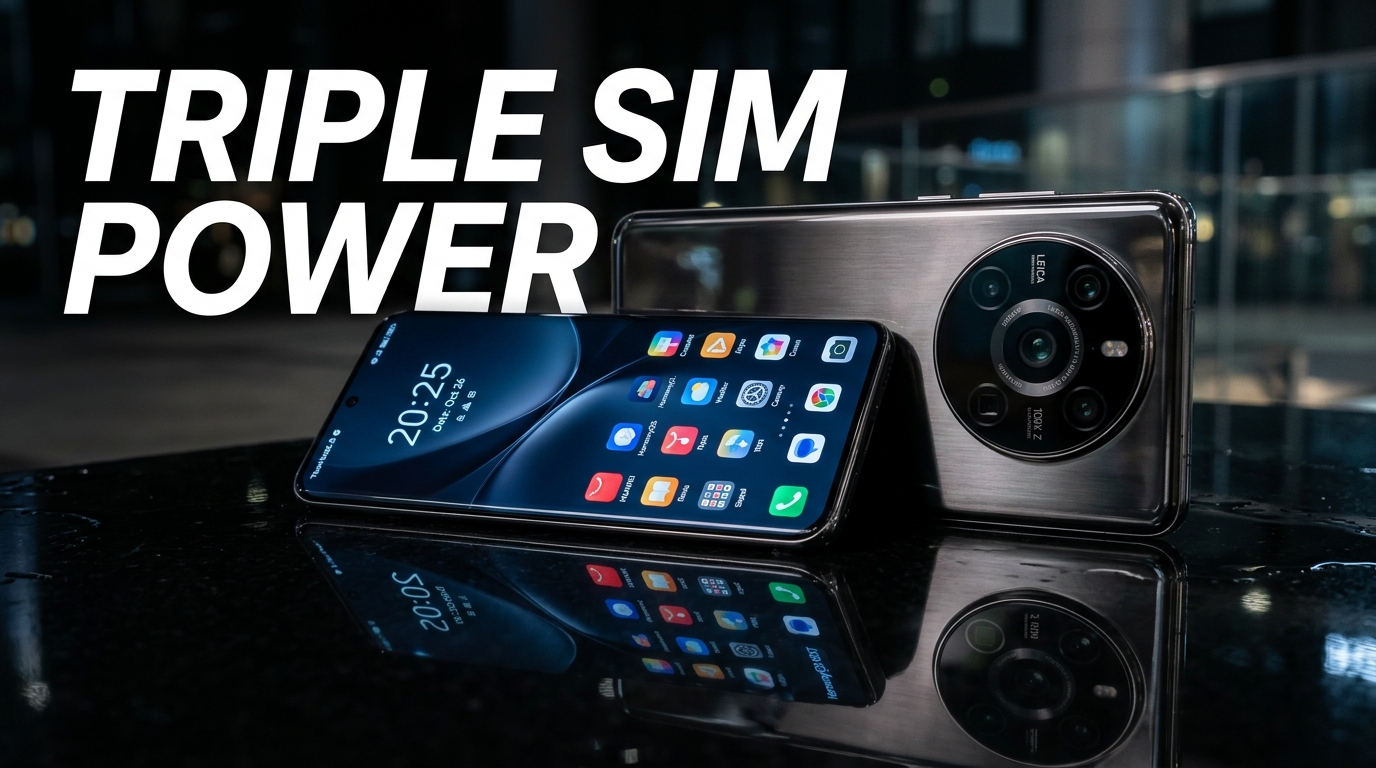
Huawei Mate 90 Pro Max Supports Three Active SIM Connections Simultaneously
More in Mobile
 Mobile
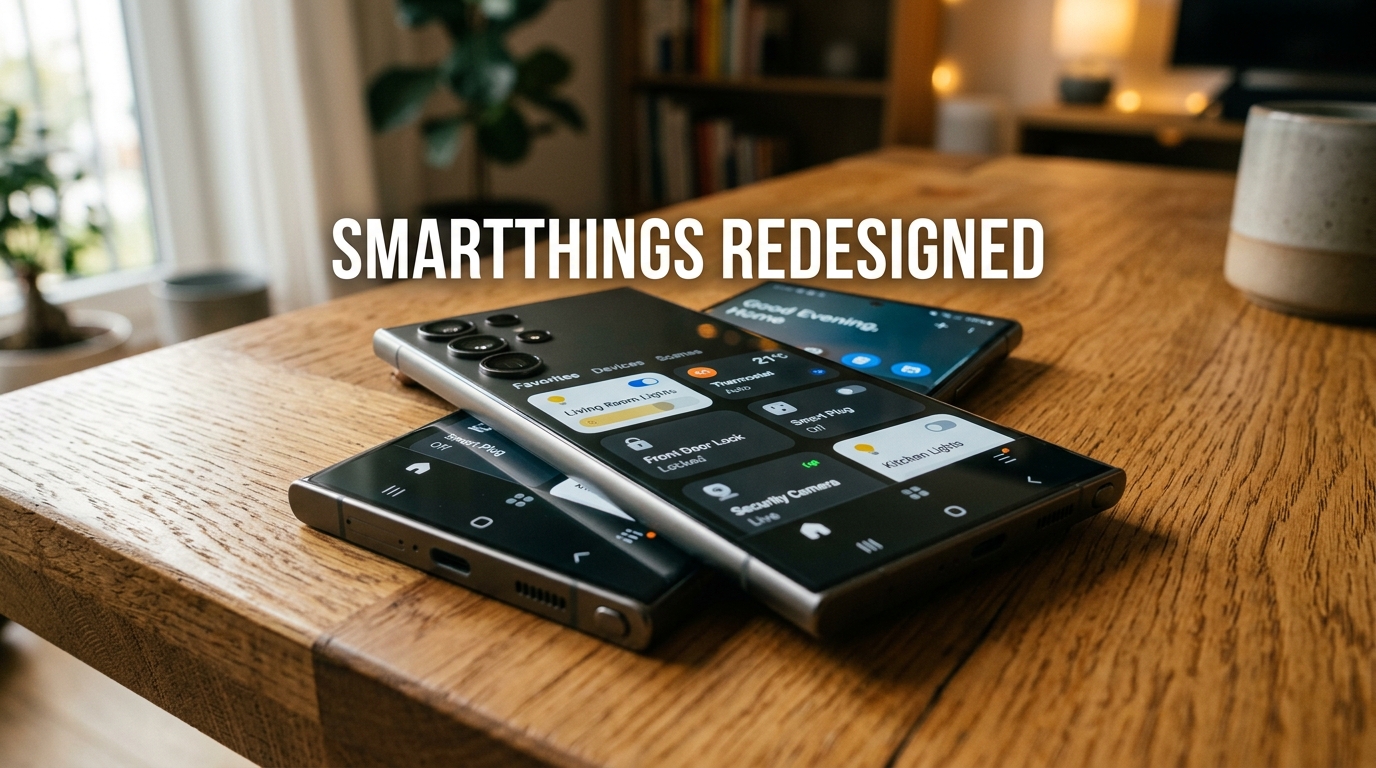
Samsung Overhauls SmartThings on Android With a Major Home Redesign
 Mobile
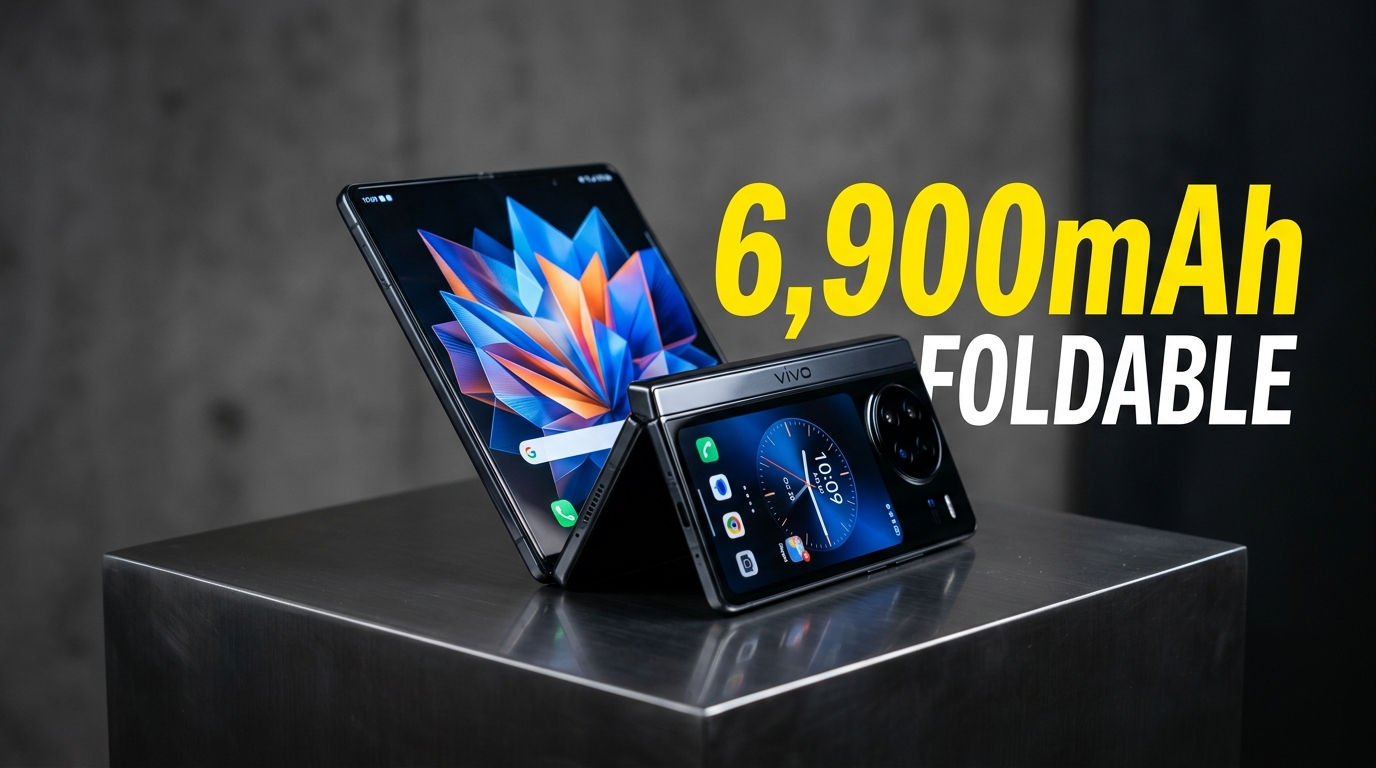
A 6,900mAh Battery in a 4.4mm Foldable: Vivo X Fold 6 Makes Its Global Debut
 Mobile
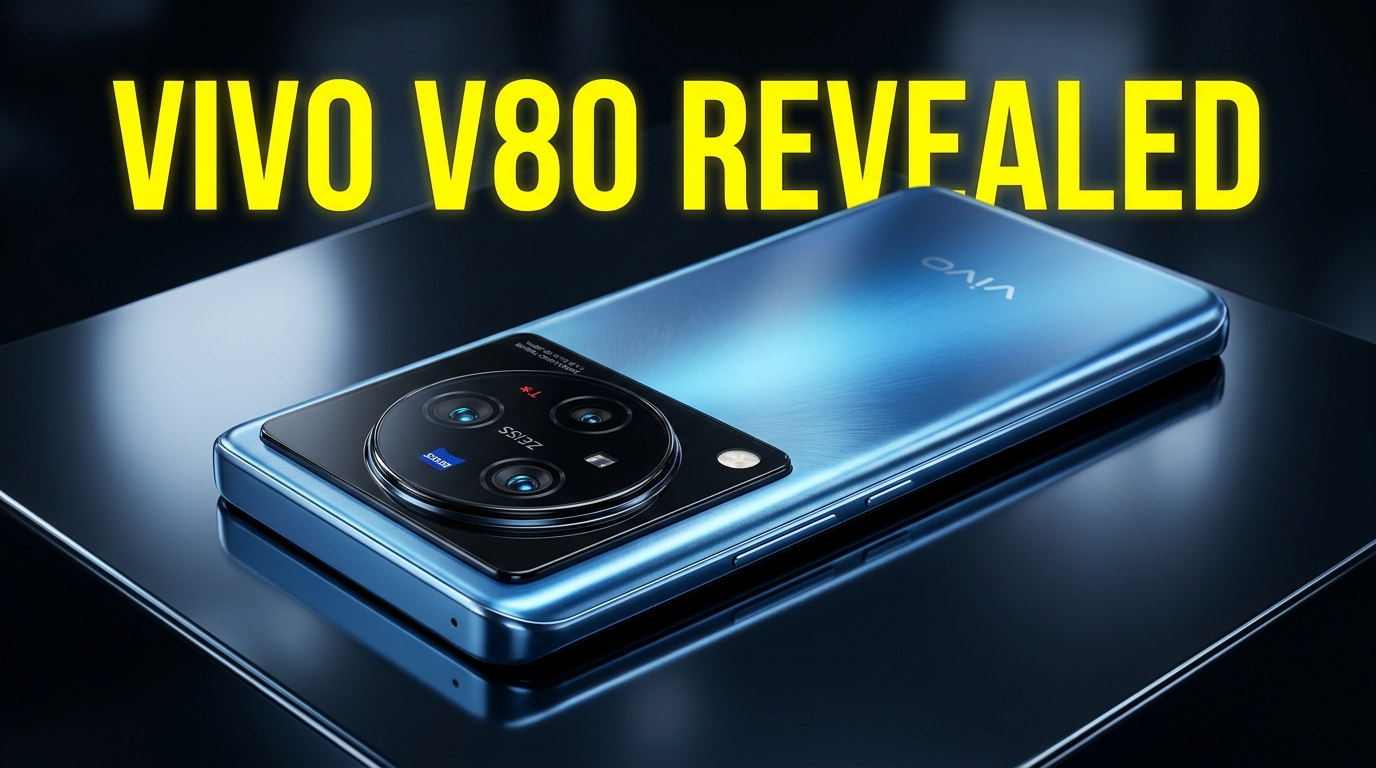
Vivo V80 India Launch Set for October 6: Display, Battery, and Price Leaks
 Mobile