

Why the robotics industry is still waiting for its ChatGPT moment
While some argue foundation models will quickly replace specialized robotics, industry insiders point out that hardware and software basics are still being rebuilt.

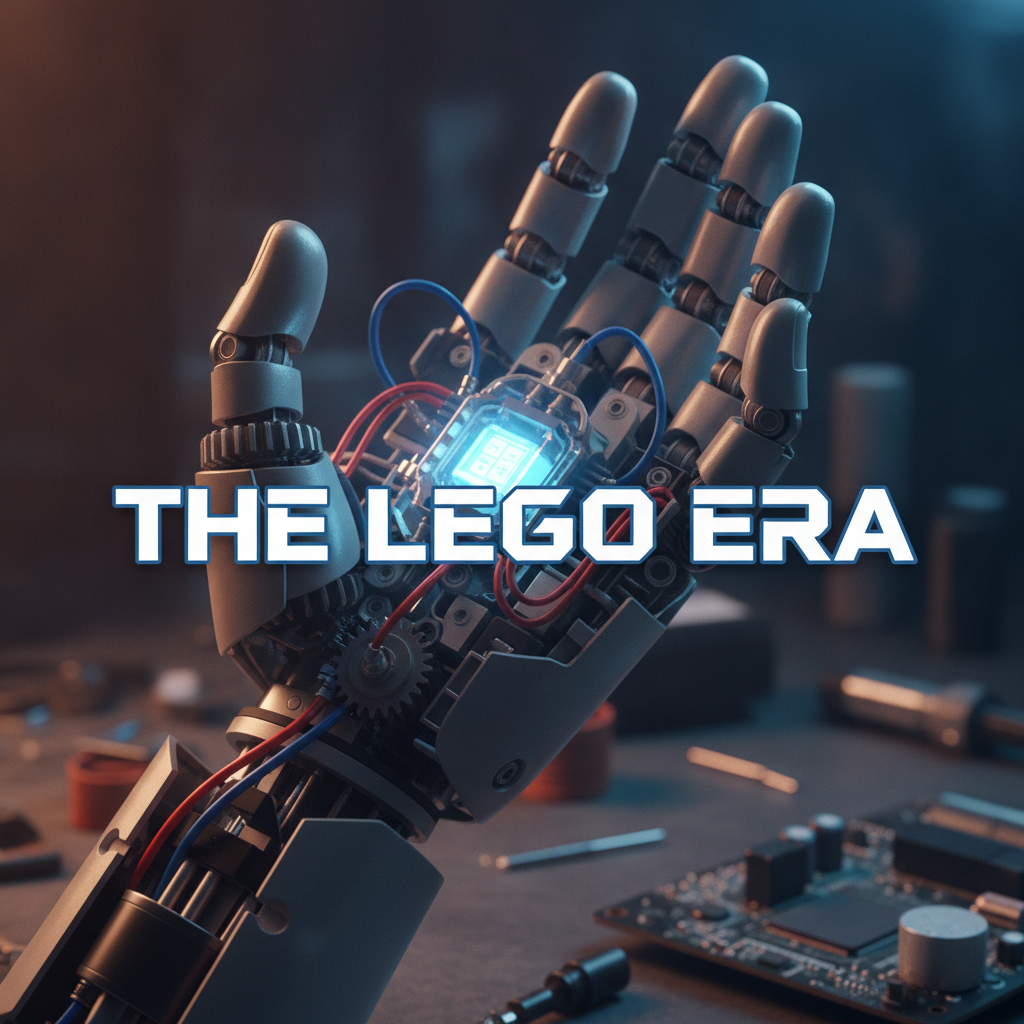
A debate over how quickly physical machines will achieve their own artificial intelligence breakthrough has split researchers and investors. Some executives, including General Intuition CEO Pim de Witte, argue that a single foundation model will soon make specialized robotics development redundant. Others with deep operating experience insist the field is nowhere near that type of milestone.
Amulya Vishwanath, who spent seven years directing product marketing for Nvidia's robotics platforms, including Isaac Lab and the GR00T humanoid project, describes the current industry state as a "Lego era." Now running early-stage investment firm Techable VC, Vishwanath argues that engineers are still rebuilding essential hardware and software components, including actuators, mechanical hands, control software, and safety protocols.
Commercial data illustrates this gap between humanoid demonstrations and functional deployment. IDC recorded roughly 18,000 humanoid robot shipments globally in 2025, but about 85% of those units went to demonstrations, education, entertainment, or data collection instead of factory production. In contrast, the International Federation of Robotics tracked 542,000 installations of traditional industrial robots in 2024 alone.
Gartner analyst Abdil Tunca warned that humanoid hardware remains immature, hampered by weak hand manipulation, limited operating battery life, and steep integration expenses. These practical constraints indicate that any broad capability leap in robotics will depend on core mechanical and computing upgrades rather than just training larger models.
Vishwanath notes that physical AI spans well past human forms to encompass molecules, materials, pharmaceuticals, and specialized manufacturing equipment. Her firm backs companies building precision components and simulation platforms rather than speculative end-to-end models, pointing toward open-source safety rules and standardized testing as key prerequisites for broader rollout.
Enterprise Adoption Lags Behind Shipment Forecasts
Market projections reflect two very different timelines for the technology. IDC forecasts annual humanoid shipments could cross 510,000 units by 2030, but near-term workplace uptake appears modest. Gartner estimates that by 2028, fewer than 100 enterprise customers will pilot humanoid machines, and fewer than 20 will use them on active production lines. Until fundamental parts drop in price and prove reliable on factory floors, the robotics sector remains tied to incremental hardware engineering.
I’m a techie & gamer turned SEO strategist with a genuine passion for technology, AI, science, and gaming. I love exploring new technology, following the latest developments, and looking beyond the headlines to understand what is really happening. I write about the latest tech news, trends, products, tools, and ideas shaping our digital world. What I share is not just news. My articles include my own views, observations, and practical experiences, written in a simple and useful way. At Penguin Lens, I enjoy sharing what I discover, what I think, and what I believe readers should know, with the goal of making technology easier to understand and more interesting to explore.

India Issues Critical Warning After AI Agents Breach Live Corporate Systems
More in AI
 AI
AIMeta Releases 816B Muse Spark Open Model Tuned for Apple Silicon Desktops
 AI
AIRicursive Intelligence bets on AI-designed silicon to tackle compute crisis
 AI
AIBig Tech Drops Data Center NDAs as Local Opposition Multiplies
 AI
AI