

Why Are Thousands of Middle Schoolers Secretly Hanging Out in NPR's Comment Section?
Strict school firewalls blocked TikTok and Discord, so tech-savvy middle schoolers found the ultimate stealth chat room on NPR.
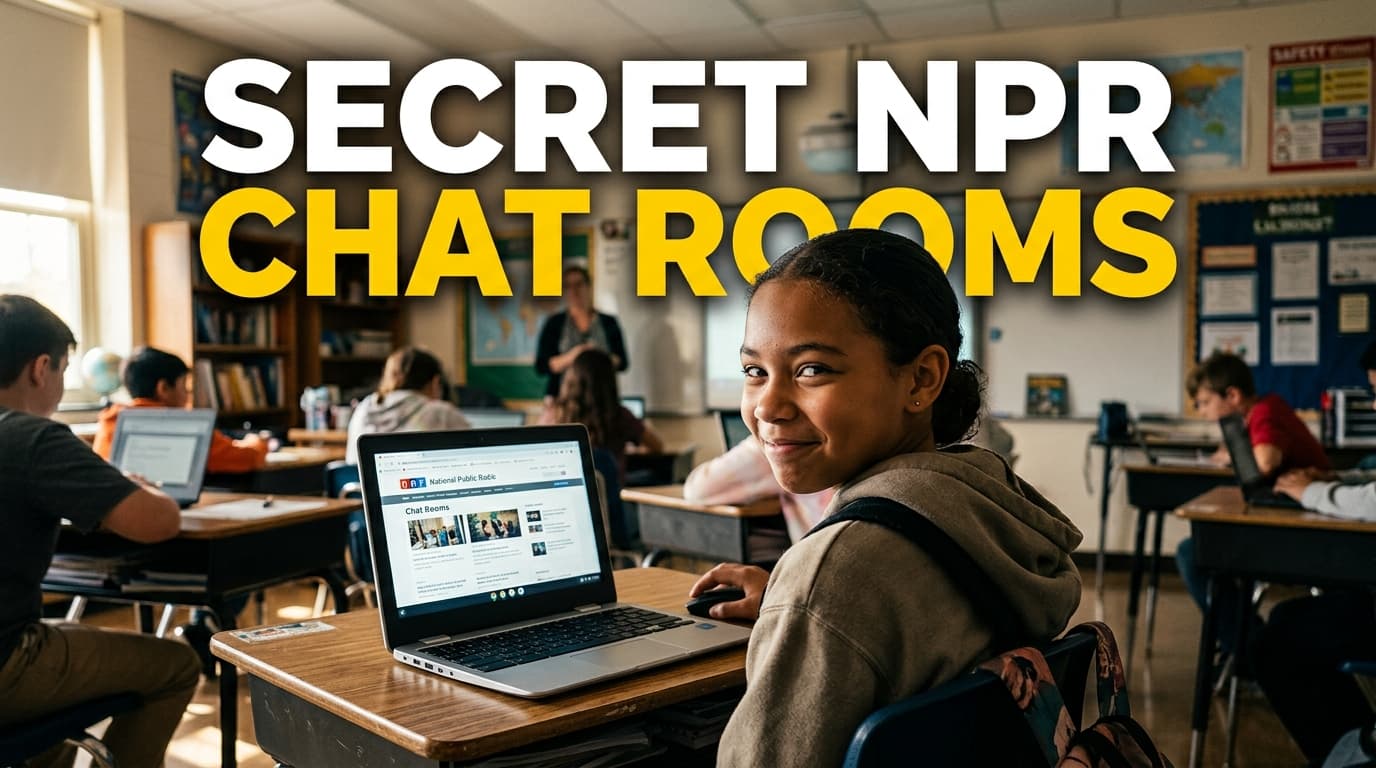
If you walked into a seventh-grade classroom five years ago, you might have caught students passing folded paper notes under desks. Two years ago, they traded gossip on hidden Google Docs disguised as history essays. This semester, a growing number of middle schoolers have migrated to an unlikely digital playground: the humble NPR comment section.
School-issued Chromebooks come loaded with intense content-filtering software. Programs like GoGuardian, Securly, and Lightspeed actively hunt down and terminate traffic to Discord, Snapchat, Instagram, TikTok, and web gaming portals. Yet school network administrators almost never blacklist public broadcasting services. National Public Radio is considered an unimpeachable educational resource. That administrative trust has quietly turned NPR interactive spaces and affiliated student podcast message boards into bustling teenage hangouts.
How School Web Filters Created The Loophole
Public school districts across the country have tightened their digital security perimeters. With federal mandates requiring strict filtering under the Children's Internet Protection Act, IT directors systematically block social media platforms and unmonitored messaging apps. To bypass these restrictions, students regularly search for websites that offer real-time text input without triggering automated alarms.
Because NPR is an essential research tool for social studies, civics, and journalism classes, its web domain receives an automatic green light from district network controllers. When students realized that certain affiliated blog posts, educational outreach forums, and syndicated audio comment feeds allowed public text submissions without requiring external social logins, word spread quickly through hallways. The NPR comment section transformed overnight from a space reserved for public radio donors into an underground middle school social hub.
What Middle Schoolers Are Actually Posting
The activity inside these threads bears little resemblance to standard public radio discourse. While adult listeners traditionally discuss fiscal policy or foreign diplomacy, the youth migration brings an entirely different tone. Threads underneath longform audio features and NPR Student Podcast Challenge resources are often filled with slang, homework trades, and cafeteria drama.
- Classroom gossip and teacher complaints tucked into replies beneath cultural essays.
- Decoded slang terms like 'skibidi' and 'rizz' baffling the occasional adult listener who wanders into the replies.
- Live commentary on eighth-grade social circles disguised as responses to local news pieces.
- Gaming discussions about Roblox and Fortnite strategies between students sitting three desks apart.
By posting in the comment threads of obscure regional news clips or archived podcast episodes, kids can chat back and forth during study hall. Because teachers look at their monitors and only see the recognizable blue, black, and red NPR banner, the activity looks completely legitimate from across the room.
The Game of Cat and Mouse With School IT
This is far from the first time students have weaponized boring websites for covert socializing. Over the last decade, kids have used shared spreadsheets, Wikipedia revision talk pages, and even customer review boxes on retailer websites to evade district surveillance. The unexpected rush to an NPR comment section highlights how difficult it is for centralized software to police human behavior.
Moderators on public media sites have started noticing the sudden influx of chaotic text strings and teenage shorthand. In several cases, community moderators have had to quietly close comment widgets on educational pages after realizing that dozens of seventh-graders were using a thread about climate policy to argue over who took someone's pencil case.
School technology coordinators face an endless challenge. If they block NPR, teachers protest because lesson plans collapse. If they leave it open, students exploit every interactive text box they can find. For now, preteens are staying one step ahead of the network monitors, proving once again that when you lock down every digital door, teenagers will simply climb through the nearest radio station window.

Meta Just Dropped Early Access to Its Wildest AI Tool Yet (Here Is How to Get In)
More in Tech
 Tech
TechGoogle Says Gemini 4 Is Coming Fast, and It's Racing to Catch Up to GPT-6
 Tech
TechWhy Meta Smart Glasses Stole The Entire Show At Meta Connect
 Tech
TechNvidia's New Chip Turns an Ordinary Windows PC Into a Personal AI Powerhouse
 Tech
Tech