

Meta Just Dropped Early Access to Its Wildest AI Tool Yet (Here Is How to Get In)
Meta has opened an exclusive early access program for its Muse creative tools, giving select users a first look at its next generation workflow.

Meta is taking another aggressive step into the generative software space. This week, the company opened up applications for its latest creative incubator, allowing creators to test early Meta Muse features before a broader public rollout. The initiative signals a direct effort to capture creative professionals who currently rely on rival tools from Adobe, Runway, and OpenAI.
The announcement arrived quietly through Meta developer channels, offering testers hands-on time with an evolving suite of generative visual and audio systems. While the company has released numerous open source research models over the past two years, this rollout focuses on polished, consumer-facing productivity. For artists and brands looking to streamline asset creation, the waitlist presents an opportunity to influence how these utilities shape up before commercial launch.
What the New Generative Tools Actually Do
The core proposition behind the software centers on multimodal transformation. Rather than forcing users to jump between separate apps for text prompting, image rendering, and motion tracking, the platform merges these disciplines into a unified workspace. Understanding how these Meta Muse features operate gives us a peek into the company's long-term hardware and software ecosystem.
Testers report that the system allows users to sketch basic line art, apply complex natural language descriptions, and receive production-grade 3D assets or high-resolution clips in seconds. Key capabilities highlighted in the preview documentation include:
- Direct video-to-video style transfers that preserve original character geometry and realistic physical movement.
- Automated multi-layer scene generation built specifically for real-time 3D pipelines and spatial interfaces.
- Dynamic voice and environmental audio synthesis designed to sync instantly with rendered video clips.
- Iterative canvas tools that let digital painters edit micro-regions using conversational text instructions.
Early feedback on the Meta Muse features suggests that render times have plummeted compared to previous iterations. The engineering team claims the underlying architecture optimizes compute workloads across custom silicon clusters, cutting latency drastically during multi-prompt batch jobs.
Who Gets Priority Entry into Early Access
Meta is not opening the floodgates to everyone simultaneously. The company is staging access across distinct waves, prioritizing digital artists, commercial video editors, and interactive experience designers. The goal is to collect stress-test data on resource-intensive rendering tasks before the backend expands to support millions of social media marketers.
If you want to test these new Meta Muse features yourself, signups require a verified Meta account and an active developer profile. Applicants must submit examples of their existing production workflow along with technical specifications of their local hardware setups. Meta representatives stated that developers building for Horizon OS and mixed reality headsets will also receive preferential placement in upcoming cohorts.
Why Meta Is Rushing AI Deployment to Creators
The race to control creative production pipelines has accelerated rapidly throughout 2024. Mark Zuckerberg has repeatedly positioned artificial intelligence as the backbone of future user engagement across Instagram, Facebook, and the company's smart glasses lineup. By getting creative professionals hooked on proprietary tools early, Meta builds a moat against competitors like Midjourney and Google.
Monetization models remain unspecified for now, but early participants will likely enjoy complimentary access to processing credits during the initial evaluation window. Once public tiers go live, Meta will probably fold advanced functionality into business subscription tiers while providing entry-level tools to casual mobile users. For now, the focus remains squarely on polishing user interface design, eliminating hallucinations, and gathering feedback from demanding industry pros.

Why Are Thousands of Middle Schoolers Secretly Hanging Out in NPR's Comment Section?
More in Tech
 Tech
TechGoogle Says Gemini 4 Is Coming Fast, and It's Racing to Catch Up to GPT-6
 Tech
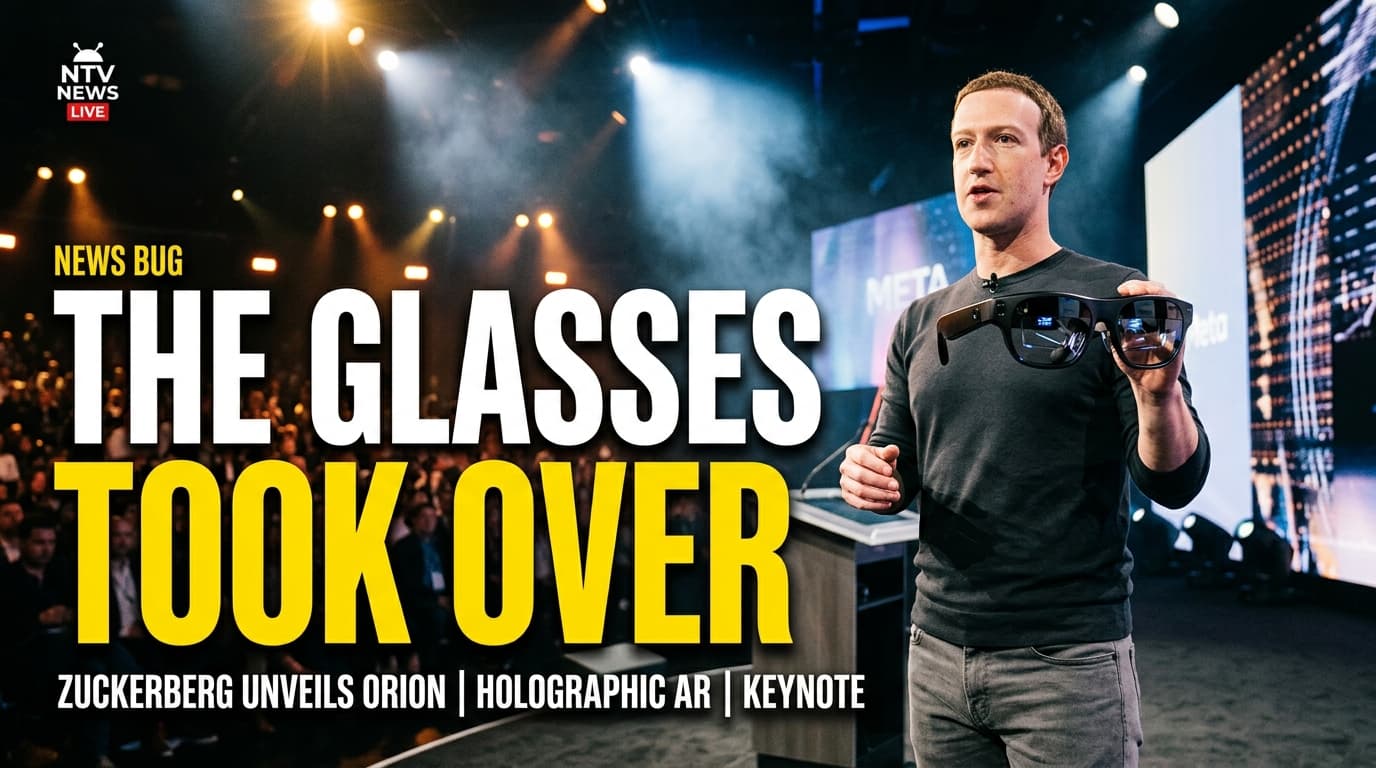
TechWhy Meta Smart Glasses Stole The Entire Show At Meta Connect
 Tech
TechNvidia's New Chip Turns an Ordinary Windows PC Into a Personal AI Powerhouse
 Tech
Tech