

Consoles Are Losing: PC Gaming in Japan Just Blew Up by Over 200 Percent
Japan's console fortress is cracking as PC gaming grows over 200 percent in just four years. Massive global hits and streaming culture are turning the nation into a mouse-and-keyboard powerhouse.
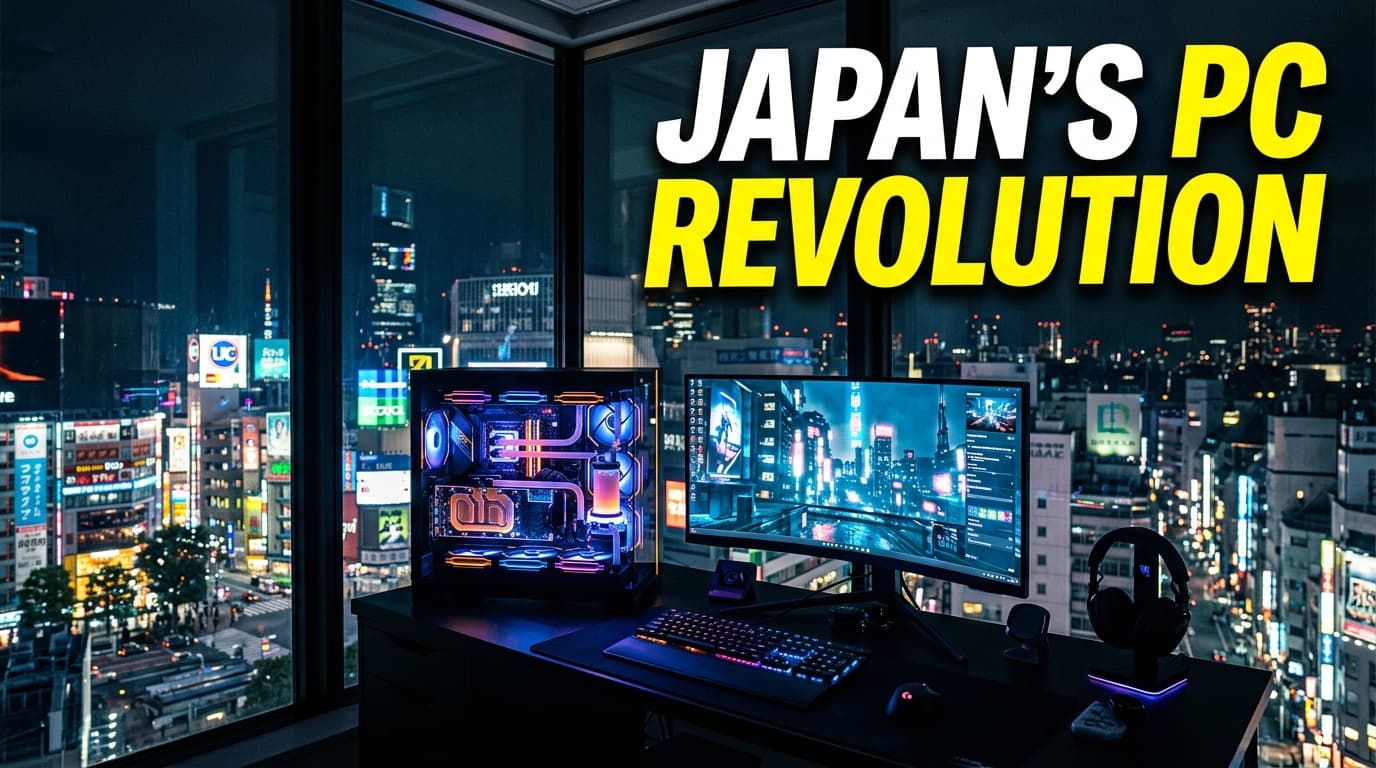
For decades, Japan stood as an impenetrable fortress of home consoles and handhelds. While Western gamers spent decades tweaking graphics cards and organizing LAN parties, the Japanese mainstream stayed loyal to Nintendo and PlayStation, eventually gravitating toward mobile gacha games on smartphones. Desktops were strictly for office spreadsheets, and building a custom rig was considered a fringe hobby reserved for visual novel enthusiasts. That era is officially over.
Fresh market data shows that PC gaming in Japan has grown by over 200 percent across the last four years. According to findings from industry analyst firm Kadokawa Game Linkage, the PC gaming segment exploded from roughly 131 billion yen (about $870 million) to well over 300 billion yen ($2 billion) in record time. What was once dismissed as a minor niche now represents a massive, fast-accelerating share of Japan's total gaming revenue.
The Perfect Storm: Shortages and Steam
How did a country deeply devoted to portable consoles like the Nintendo Switch suddenly fall in love with mechanical keyboards and multi-monitor setups? The turning point began around 2020 during global lockdowns, sparked by a chaotic combination of supply chain issues and changing consumer habits.
When Sony launched the PlayStation 5, chronic semiconductor shortages made finding a console near impossible in Akihabara and across Tokyo retail shops. Desperate players had to enter lotteries just for the right to buy one. Many decided they had waited long enough, using their disposable income to purchase pre-built gaming desktops instead. At the exact same time, digital storefronts like Valve's Steam made purchasing titles frictionless, adding convenient localized payment options including Japanese convenience store pay-slips and domestic debit services.
The VTuber Phenomenon and Global Esports
Hardware access alone does not explain a 200 percent explosion. The real catalyst for PC gaming in Japan came through youth culture, particularly the meteoric rise of game streaming and virtual YouTubers (VTubers). Agencies like Hololive and Nijisanji turned competitive multiplayer games into prime-time entertainment for millions of teens and young adults.
Instead of watching traditional TV, audiences spent evening hours watching their favorite creators grind ranked matches in global tactical shooters. Two games transformed the landscape almost overnight:
- Apex Legends: EA's battle royale became a pop-culture juggernaut in Japan, inspiring dedicated television segments, crossover cafes, and celebrity invitationals.
- Valorant: Riot Games scored a massive hit by building a passionate competitive grassroots scene, culminating in packed arena tournaments in Saitama Super Arena.
- Grand Theft Auto V Roleplay (STGR): Streamer-led roleplay servers dominated local streaming platforms, proving that complex, mod-heavy PC experiences had widespread appeal.
Playing these titles at high frame rates required a computer, not a console. As esports organizations like Crazy Raccoon opened branded gaming lounges in Shibuya, the social stigma surrounding custom PCs vanished completely.
Japanese Publishers Pivot to PC
Domestic game publishers quickly noticed the tectonic shift and adapted their business models. Capcom publicly declared PC its primary target platform going forward, reporting that PC sales now represent roughly half of its total unit software sales worldwide, with domestic Japanese sales climbing sharply.
Other giants followed suit. Square Enix, Bandai Namco, and Sega began targeting simultaneous PC releases rather than treating Windows ports as afterthoughts. Mega-hits like Monster Hunter: World, Elden Ring, and Street Fighter 6 sold staggering numbers on Steam inside Japan, shattering the outdated myth that Japanese consumers reject Western gaming setups. The runaway success of Palworld, crafted by Tokyo-based developer Pocketpair, further cemented the computer as the premiere platform for explosive new creative ideas.
The rapid expansion of PC gaming in Japan shows no signs of slowing down. With boutique hardware shops spreading beyond Tokyo into regional prefectures and high school esports clubs adopting PC arenas, keyboard and mouse setups have permanently entered mainstream Japanese gaming culture.

GTA 6 Pre-Order Guide: Which Edition Actually Gets You More for $99
More in Gaming
 Gaming
Sony's State of Play Dropped a Wild LEGO PS1 and a Scary Until Dawn Sequel
 Gaming
Capcom Just Brought Resident Evil, Mega Man and Monster Hunter to Switch 2
 Gaming
Minecraft Live Airs Today, and All Signs Point to a Huge End Update
 Gaming