

Bought a Used CPU? Riot Vanguard Might Still Think You Cheated
A gamer who installed a secondhand Ryzen processor was barred from Valorant, prompting Riot Games to clarify how hardware bans affect used PC components.
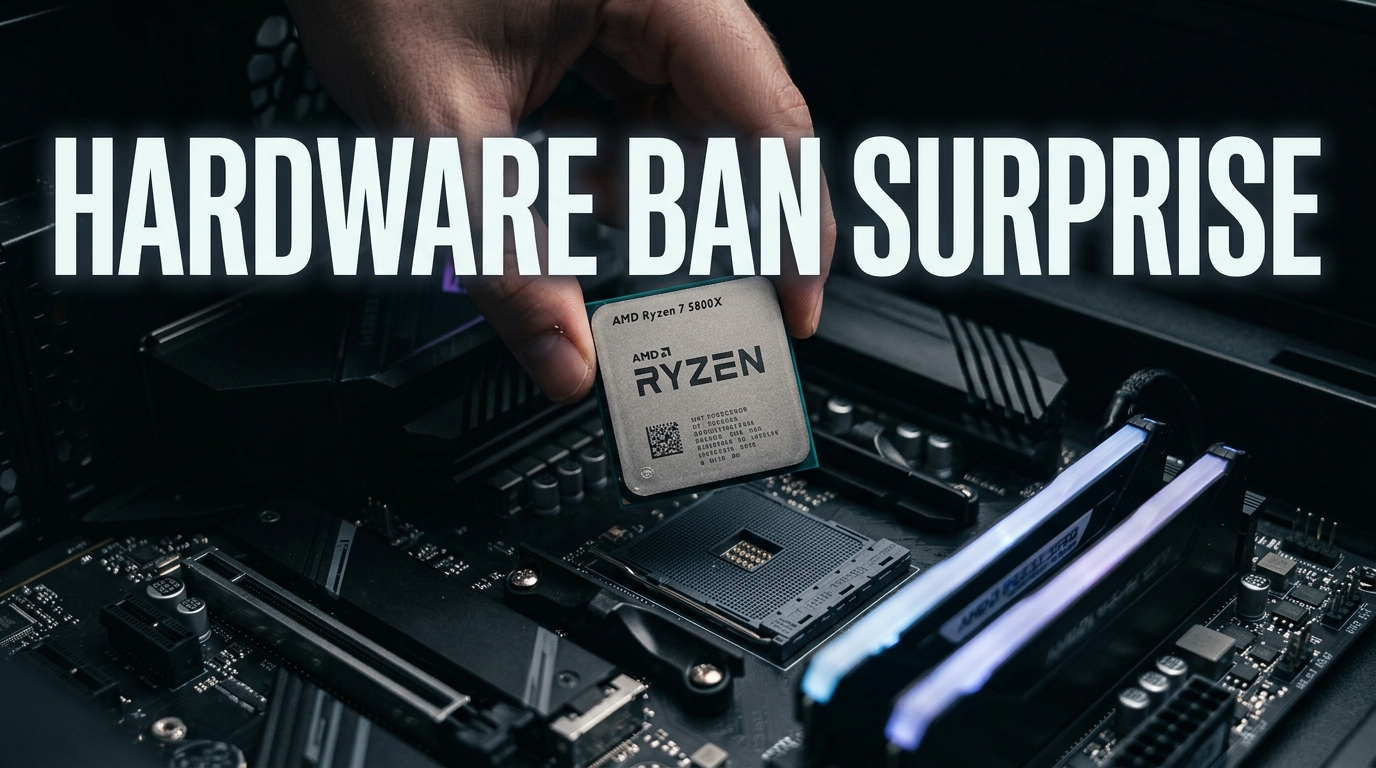
Upgrading a gaming rig with secondhand components usually saves money, but for one PC builder, it arrived with an unexpected penalty. Reddit user After-Cartoonist-196 reported on the German community r/PCBaumeister that they were blocked from Valorant immediately after installing a used AMD Ryzen 7 5800X3D processor.
The buyer reported receiving the processor on September 21, 2026, via German classifieds platform Kleinanzeigen. When launching Valorant four days later on September 25, the game immediately terminated. According to the user, Riot Games support stated the CPU's ID had been blacklisted on August 12, roughly 40 days before the purchase, because the previous owner had cheated in the game.
The Collision Between Secondhand Parts and Anti-Cheat
The report triggered concern across PC forums over whether used hardware could jeopardize an entire build. While an early Kotaku headline conflated the component with a graphics card, the original report and subsequent hardware coverage confirmed the part was an AMD Ryzen 7 5800X3D CPU.
Processors do not typically expose a unique serial number directly to Windows. Hardware analysts reported that Vanguard likely identified the chip via its built-in firmware Trusted Platform Module (fTPM). Riot requires TPM 2.0 and Secure Boot on modern Windows installations, making firmware-level identifiers crucial to hardware bans.
The buyer initially claimed the situation was permanent, asserting that customer support told them the ban could not be lifted manually and that their motherboard and storage drive were also blacklisted.
Riot Games Clarifies Hardware Penalties
The claim that a single flagged part permanently ruins every connected component prompted a public response from Riot Games. Phillip Koskinas, Riot's Head of Anti-Cheat, addressed the matter on X to clarify hardware enforcement policy.
"Hardware bans last 4 months maximum, they apply only to the game cheats were detected in, and we don't ban 'everything else' when we match one component," Koskinas stated. "Support will give you the time remaining on request. If it were up to me, we'd have soul bans that followed them into hell."
Koskinas noted that he could not locate the player's specific ticket in Riot's system, questioning the claim that support told the user other components were permanently blacklisted. Under Riot's four-month policy, the ban placed on the processor on August 12 is scheduled to expire in mid-December 2026, allowing the chip to run Valorant again.
Secondhand Hardware Blind Spots
While the ban is temporary, the case highlights a distinct challenge for used-market buyers. There is currently no public registry or diagnostic tool to verify whether a secondhand CPU or motherboard carries an active anti-cheat blacklist before purchase.
Unless buyers can resolve disputes through platform purchase protection, waiting out the remaining duration of a temporary hardware ban remains the only option when inheriting a flagged component.
Our in-house team covering gaming, tech, science, mobiles, TV and sports.
Xbox Game Pass Confirms October 15 Departures, Led by Clair Obscur: Expedition 33
More in Gaming
 Gaming
Activision and Bethesda Crack Down on Viral AI Fallout and Modern Warfare 2 Projects
 Gaming
Love and Deepspace Devs Issue Safety Warning Over Toxic Cocktail Recipes
 Gaming
The Next Evangelion Game Puts You in NERV HQ, but Not as Shinji
 Gaming